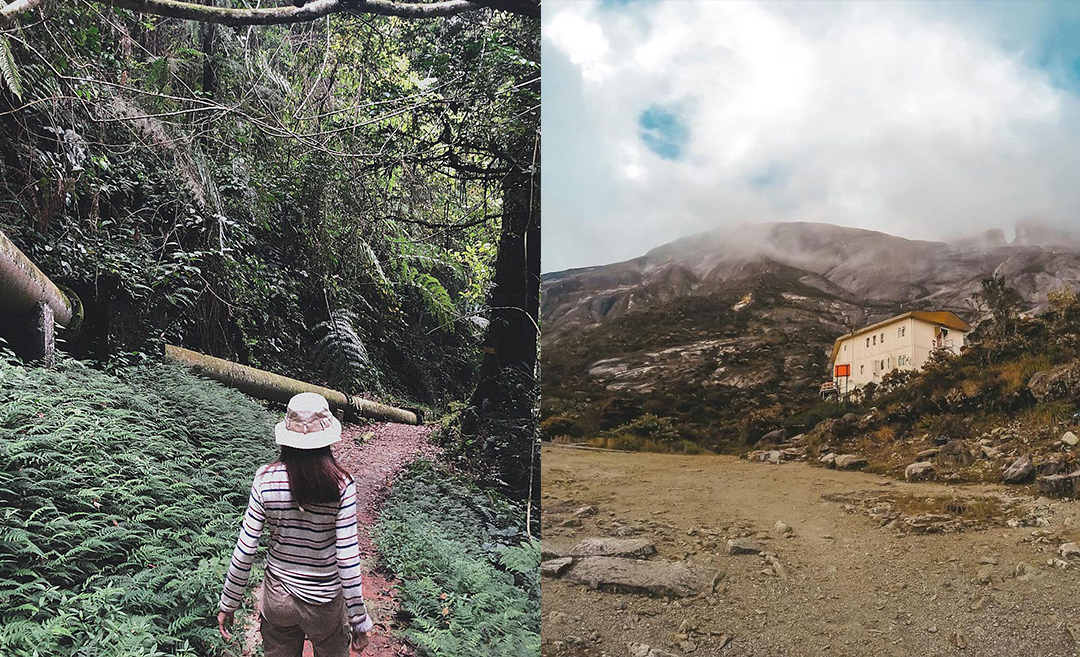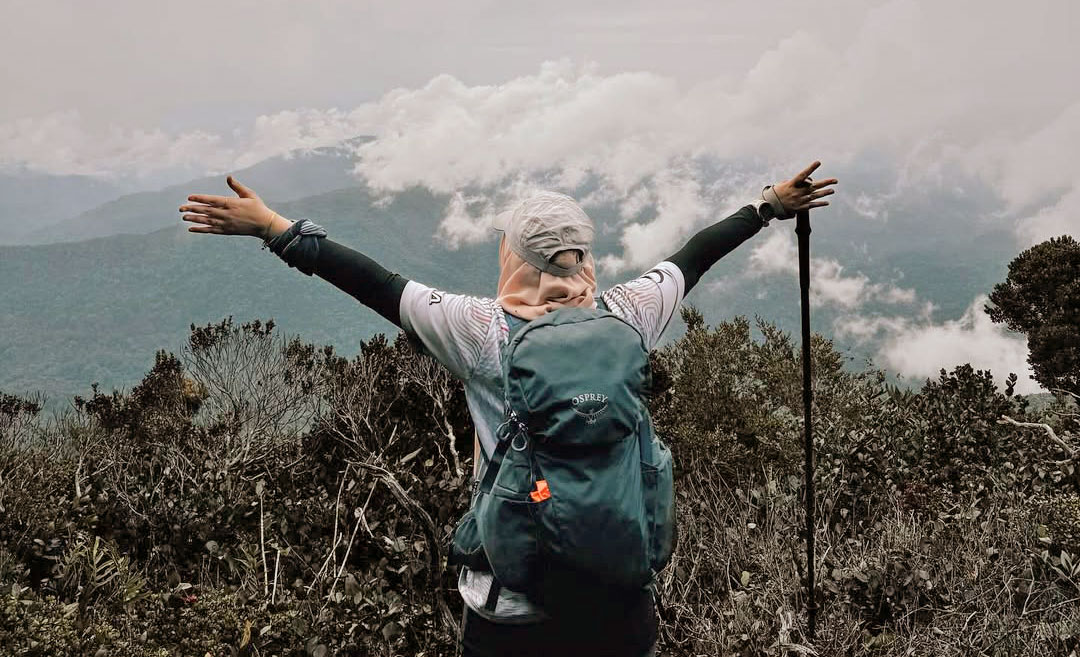
High-risk multi-day routes like the Trans Titiwangsa trails face strict temporary suspensions and new minimum timeframes under the latest state safety guidelines. (Image by @sitinurz.r_)
For many Malaysians, hiking has become a popular lifestyle activity that combines fitness, nature, and social experiences. But Malaysia’s new hiking restrictions, introduced following several recent incidents involving missing hikers and rescue operations, mean some states have tightened rules around higher-risk hikes.
The changes do not signal an end to hiking. Instead, they reflect a shift towards making the activity more structured and better managed as participation continues to grow.
Why hiking has become so popular
Over the past decade, hiking has evolved from a niche pastime into a mainstream lifestyle activity. The rise of wellness culture has encouraged more people to seek activities that combine exercise, stress relief, and time in nature. Social media has also played a role, introducing lesser-known trails and turning mountain summits and waterfalls into sought-after weekend destinations.
While this has inspired more Malaysians to explore the outdoors, it has also made some demanding hikes appear more accessible than they really are, particularly for those with limited experience.
As more people venture into forests and mountains, authorities are also seeing an increase in search-and-rescue operations and incidents involving hikers who become lost, injured, or require emergency assistance. In response, state forestry departments are reviewing whether certain activities have outgrown existing management frameworks.
Why authorities are introducing new measures
The latest restrictions are largely focused on activities considered higher risk, particularly long-distance traverse hikes and compressed hikes that condense multi-day routes into a much shorter timeframe. Among experienced hiking communities, compressed hikes are popular because they allow participants to complete trails that would normally take several days over a single weekend, often without needing to take leave from work. These hikes often involve rugged terrain, remote locations, multiple peaks, and extended periods away from established exit points. Should an emergency occur, rescue operations can become significantly more complex and resource-intensive.
Authorities say the measures are intended to improve risk management, ensure routes are attempted within realistic timeframes, and reduce the likelihood of hikers pushing beyond safe physical limits. The goal is not to discourage hiking, but to align certain activities with the realities of the terrain and available rescue capabilities.
Where new measures have been announced so far
Selangor
Beginning 1 July, the Selangor Forestry Department will temporarily suspend applications for traverse (or trans) hiking, involving point-to-point treks across multiple mountains or state boundaries, and compressed hiking, where routes typically requiring multiple days are completed within a significantly shorter timeframe.
The department has since clarified that regular recreational hiking remains unaffected. The temporary suspension applies only to traverse and compressed hiking activities while the guidelines are being reviewed.
Perak
The Perak Forestry Department has imposed an immediate ban on day hikes and compressed hikes on several high-risk mountain routes. Affected routes include Gunung Korbu-Gunung Gayong (Gunung Korga route), Trans Spencer Chapman, Trans Jerging, Trans Batu, Trans Slim, Trans Titiwangsa V1 and Trans Beratih.
These routes now have minimum hiking durations of three to five days, depending on the trail. Authorities have also warned that mountain guides who fail to comply may face suspension or blacklisting. Additionally, hiking activities at Gunung Batu Putih have been temporarily suspended to allow authorities to review safety conditions and rehabilitation measures.
At the time of writing, Selangor and Perak are the only states to have announced such measures following the recent series of hiking incidents.
What it means for recreational hikers
For most casual hikers, little will change. Popular recreational trails and standard day hikes remain accessible. However, hikers may increasingly encounter permits, guide requirements, and route-specific rules, particularly on remote and challenging mountains.
For outdoor enthusiasts, the changes also serve as a reminder that not every trail is intended to be completed as quickly as possible. Factors such as terrain, weather conditions, and physical endurance all play a role in determining how safely a route can be completed.
Ultimately, the changes signal a shift towards a more structured approach to hiking, one that seeks to preserve access to Malaysia’s forests and mountains while recognising that the country’s most demanding trails require realistic timeframes and stronger risk management as participation continues to grow.