A cultural guide to the 15 days of Chinese Lunar New Year traditions, meanings, and evolving modern practices. (Photo by Getty Images)
The Chinese Lunar New Year begins on the New Moon near the midpoint between the winter solstice and the spring equinox. Also known as the Spring Festival, the celebration traditionally continues until the full moon on the fifteenth day.
Each day carries its own symbolic meaning and specific customs, many of which are still observed to some degree, while others are largely forgotten or simply impractical today.
Here is a breakdown of the significance of each of the 15 days, how these traditions can be honoured in small, meaningful ways, and which practices may be best left in the past.
The First Day
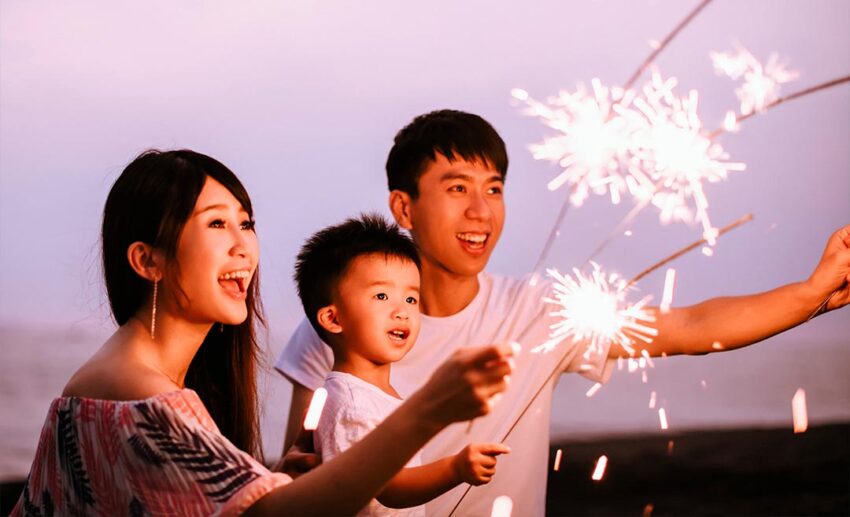
Perhaps the most eagerly awaited day, especially by children, the Lunar New Year celebration starts at the stroke of midnight with prayer offerings to household deities, and firecrackers lit to ward off evil spirits.
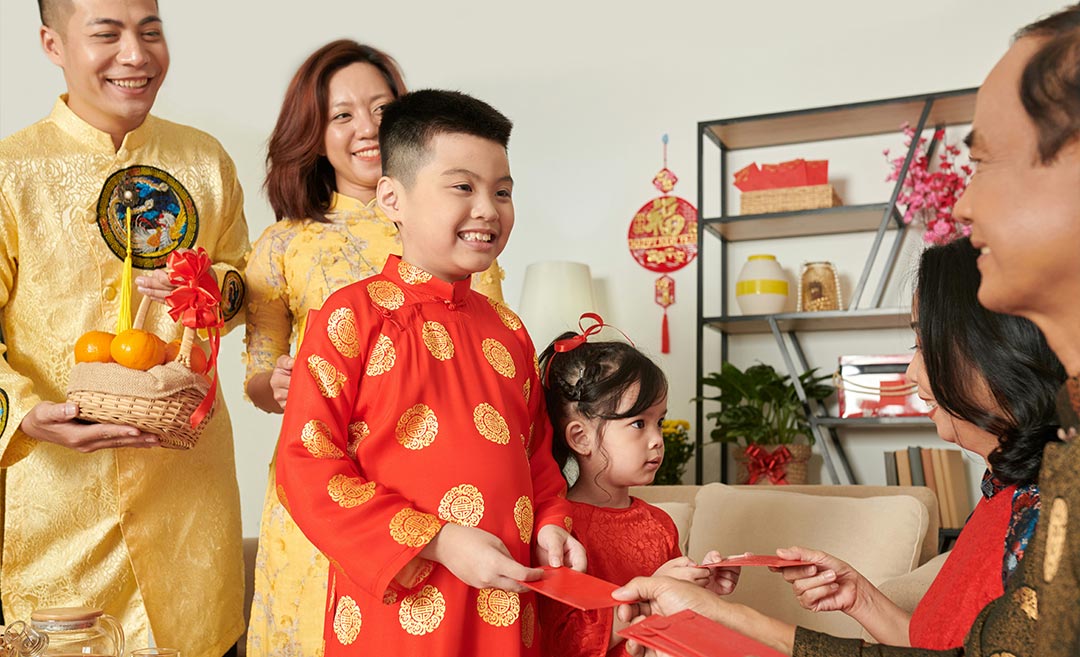
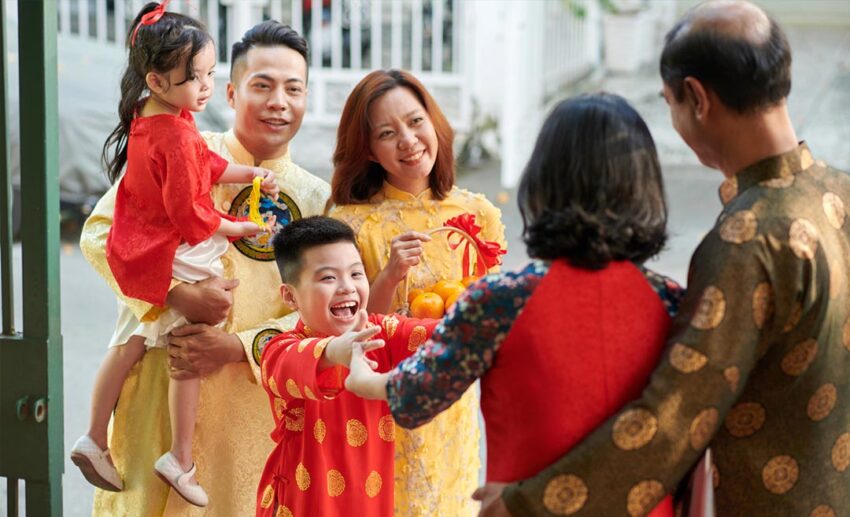
New clothes are donned, and the younger generation participates in Bai Nian—a tradition where they visit and pay their respects to elders, who in turn give them lucky money in red envelopes (ang pao). Meals on this day are particularly elaborate to symbolise abundance and prosperity, while simple fare such as gruel or porridge is deliberately avoided, as they are believed to represent a pauper’s diet.
The Second Day
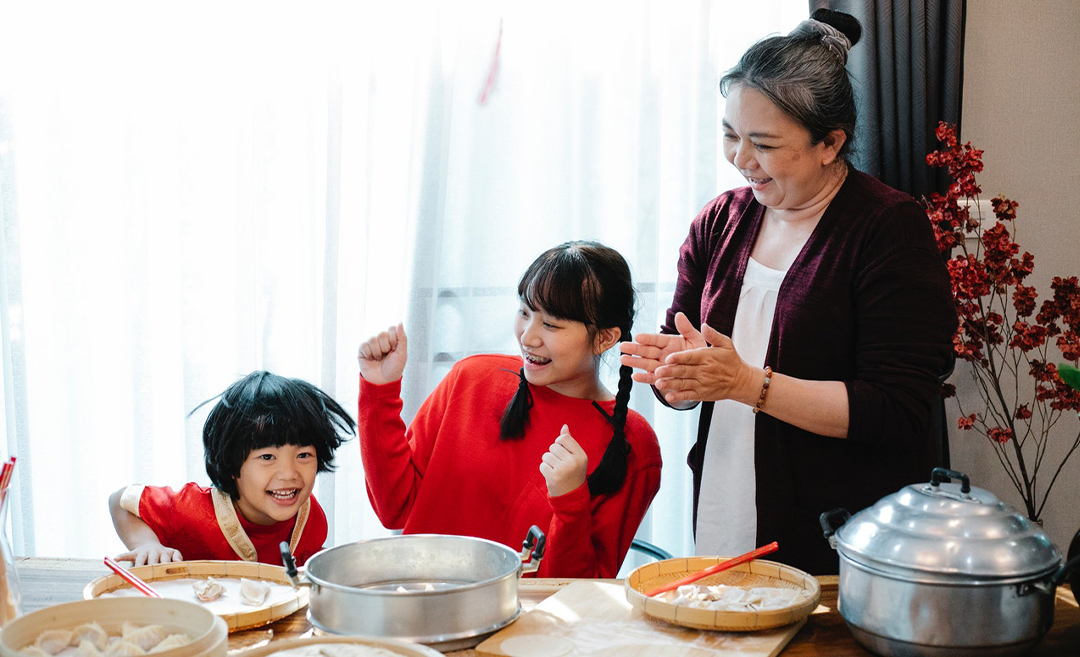
Traditionally dubbed the ‘Beginning of the Year’, the second day of the Lunar New Year is a special day to strengthen family ties and friendships. As such, the day is typically spent visiting and hosting friends and extended family. According to mythology, it is also the day dogs were created, hence making it the common birthday of dogs. So, if you have any canine pets, be sure to spare them some special treats on this day.
The Third Day
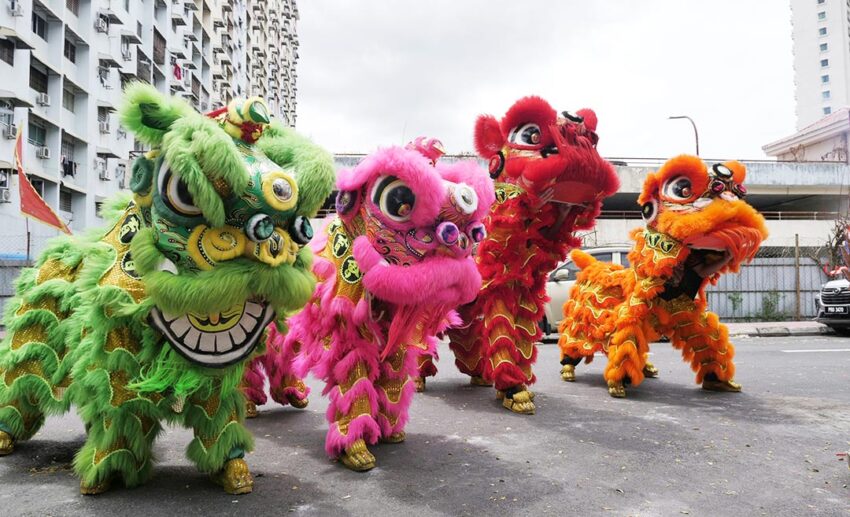
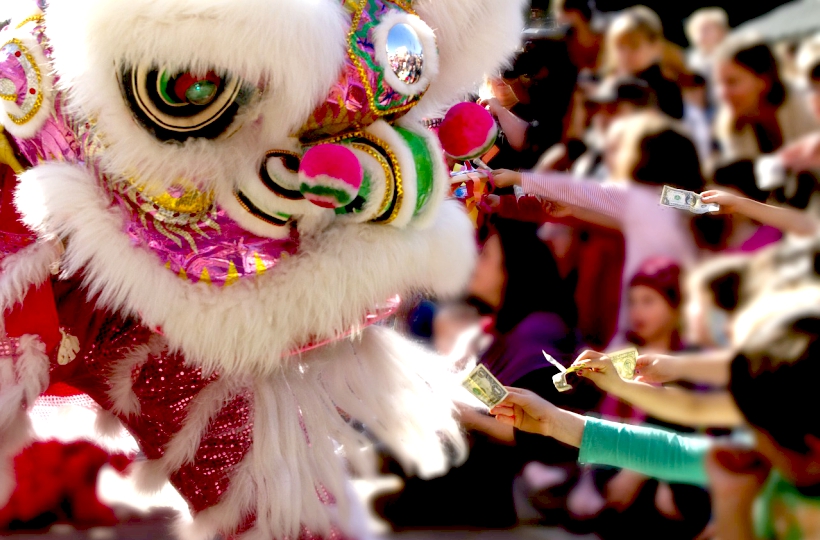
Visiting is generally avoided on the third day of the new year, and time is best spent at home with immediate family and those living under one roof. It is also the day to visit temples and pray for good tidings for the year ahead. In some residential areas, lion dance troupes will be making rounds to bless homes that welcome them in.
The Fourth Day
In homes with altars, prayers are held on this day to welcome the household deities back after having been sent off in the previous year to make their reports to the Jade Emperor in heaven. For modern homes, this is another day for togetherness as it is also the last day that businesses are closed for the holidays.
The Fifth Day
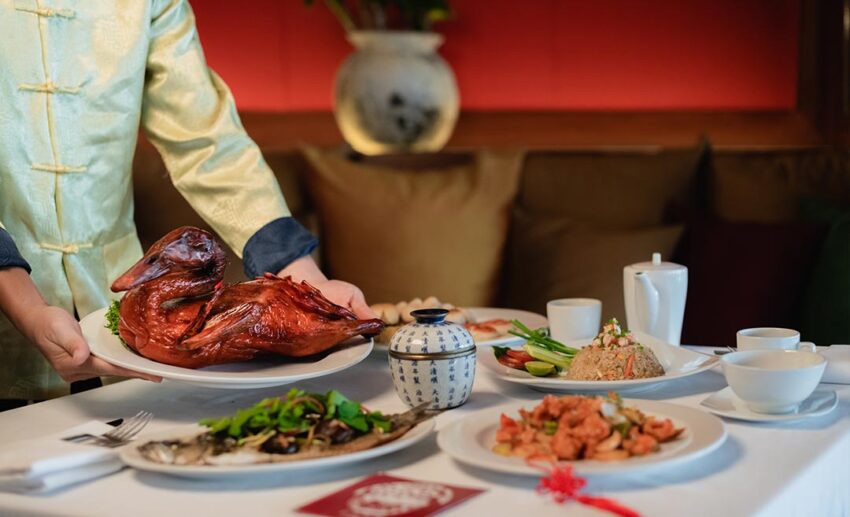
Referred to as Breaking Five, this day was considered one of the most important days in ancient times because it was the birthday of the God of Wealth. The occasion would be marked with a feast of offerings and firecrackers to welcome him into homes and business premises. Though rarely observed today, it is still considered an auspicious day for reopening businesses and returning to work.
The Sixth Day
This is the official day when life at home is supposed to resume as usual. That means it’s time to resume chores that upkeep the home. It is believed that the Ce Shen (Toilet Deity) returns on this day to inspect sanitation. It is therefore encouraged that you keep the bathrooms clean!
The Seventh Day
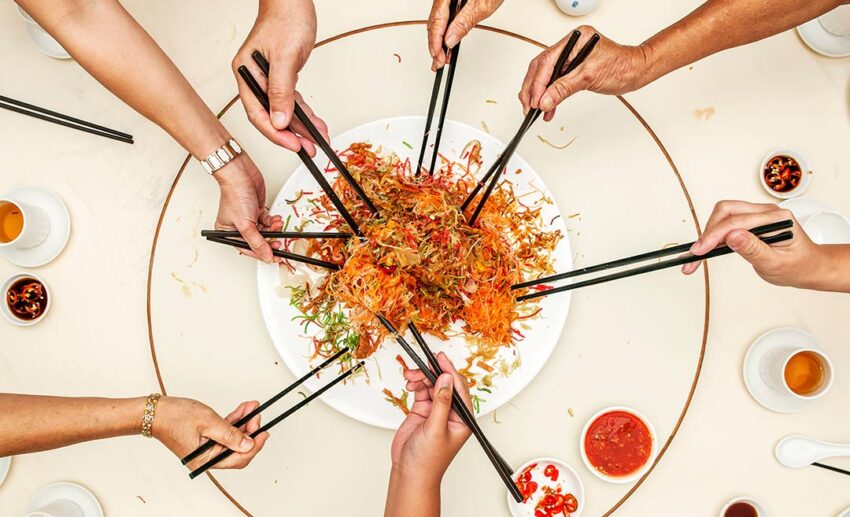
Mythology has it that the seventh day is when the creator goddess, Nuwa, created humans. Hence, this day is known as Human Day. Customarily, this is the day for fun outings with friends and distant relatives you haven’t seen in a long while.
Several auspicious dishes are linked to this day, usually with seven ingredients, such as the seven-vegetable soup and seven-vegetable porridge. Malaysian and Singaporean Chinese communities often mark this day with the ‘prosperity toss’ (Lou Sang or Yee Sang), a raw fish salad symbolising abundance and good fortune.
The Eight Day
In ancient times, when millet was the staple crop, this day is known as the ‘birthday of the millet’. It was believed that the weather on this day could predict the year’s harvest. In modern times, it is simply a great day for generosity and charity, especially for employers to show gratitude to employees by treating them to a meal.
The Ninth Day
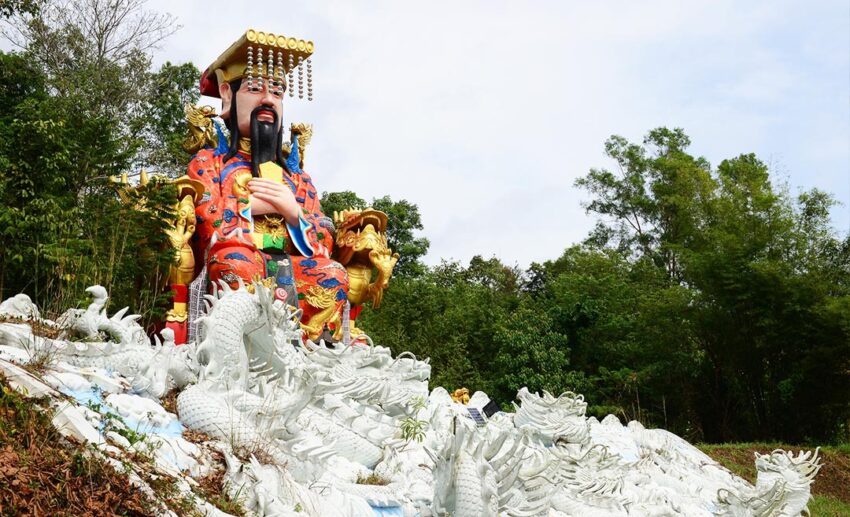
This day is of great significance to the Hokkien dialect community as it is understood to be the birthday of the Jade Emperor, the sky deity of the Taoist pantheon. It is sometimes referred to as the Hokkien New Year, where the community offer prayers at midnight to the Jade Emperor on an altar set up outside, flanked by a pair of sugarcanes.
Legend holds that Hokkien people were spared from massacre during war by hiding in a sugarcane plantation on the eighth and ninth days of the Lunar New Year. Hence, sugarcanes became the symbol of gratitude to the heavens.
The Tenth Day
In ancient times, this day was known as Stone Day or ‘birthday of the Stone God’, since the Chinese word for ‘ten’ (shi) puns with the word for ‘stone’. It is thus forbidden to move stone objects and tools such as pillars, mills, and rollers to avoid misfortune. This is now a largely forgotten custom, as heavy stone tools and household objects are rarely found in modern homes.
The Eleventh Day
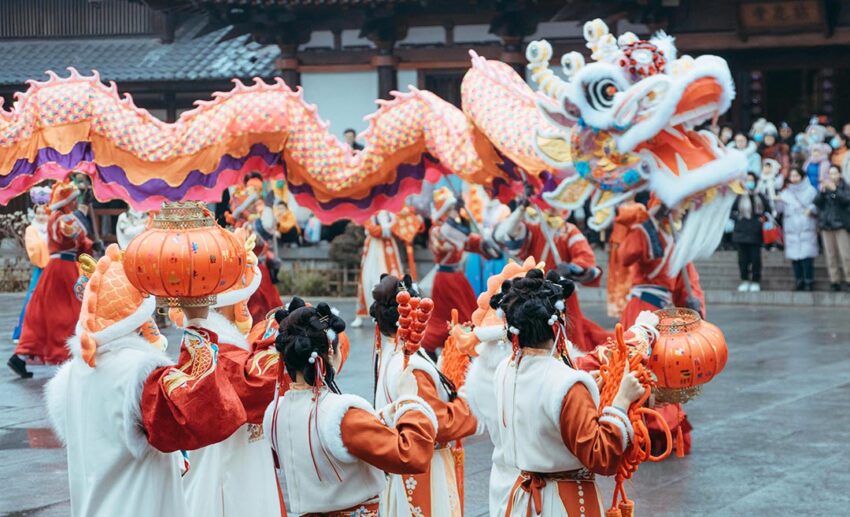
This is generally a quieter day to recharge your social batteries from all the entertaining and visiting. In parts of China and some Chinese communities, though, the eleventh day is recognised as the Dragon Dance Festival, where dragon dances are performed on the streets.
The Twelfth Day
There may still be a few extended family members to visit, but get-togethers are more low-key, and life in most aspects gradually resumes, with emphasis on home and routines. After all the festive feasting in the past week, it is time to observe a lighter, more balanced diet and resume your fitness regime.
The Thirteenth Day
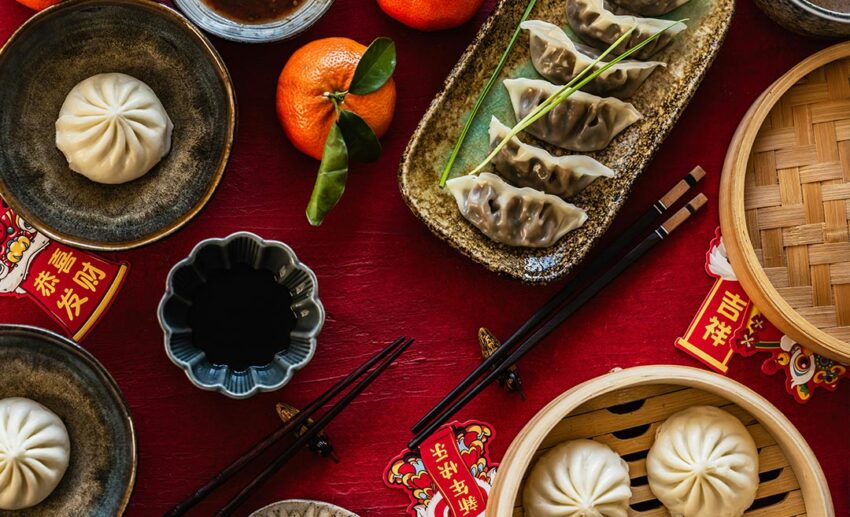
A day dedicated to General Guan Yu, the Chinese God of War, this is the day for Chinese businesses and organisations to offer prayers to the deity for a winning edge. It is also normally considered an inauspicious day for large-scale affairs, ceremonies, and new beginnings. Some people may choose to observe a vegetarian diet on this particular day as an act of spiritual cleansing.
The Fourteenth Day
As the celebration draws to a close, families prepare glutinous rice balls known as Tang Yuan, while lion and dragon dance troupes go through final practice and rehearsal for the following day.
The Fifteenth Day
The final, and perhaps the second most important day, of the Chinese Lunar New Year celebration is known as Yuan Xiao. It marks the first full moon of the year.
In Malaysia and Singapore, this day is known as Chap Goh Meh (Fifteenth Night). It is an auspicious day to bring the festivities to a close with one last big family gathering. Typical activities for a memorable evening include karaoke, card and board games, and moon gazing outdoors.
Chap Goh Meh is also sometimes considered the ‘Chinese Valentine’s Day’. Customarily, single women would toss mandarin oranges into lakes and rivers, sometimes writing their contact numbers in hopes it would be found by a single man. Today, this practice is often discouraged, as it contributes to environmental waste in rivers and lakes.
Across generations and borders, the Chinese Lunar New Year endures as a celebration of heritage, renewal, and togetherness. It’s 15 days create space to honour tradition while allowing culture to adapt and grow.