Following the 2005 Pride and Prejudice filming locations across England reveals how stories can shape the way we travel. (Image by Paul Johnson)
I’ve always loved reading. When I was a little girl, it occupied all my time. I would read in the car, on the way around the shops with my mum, while eating my dinner, and even tucked up in bed with a small torch when I should have been sleeping.
I was fascinated by other worlds and easily slipped into the pages of both fact and fiction. I devoured the stories of made-up worlds, princes and princesses, and adventurous women and men throughout the centuries. But no books captivated me quite like the works of English literature.
There is something timeless about the classics. I have read and reread them from my teenage years into adulthood, discovering new lessons and perspectives each time. Being British, I identified with a lot of the language used, as well as the settings of the books. These were places I had not only heard of, but some of which I had visited, and others were within reach should I wish to venture there. This brought stories such as Jane Austen’s books, set in Hertfordshire and Bath, to life.
My favourite novel has always been Pride and Prejudice. When the 2005 film adaptation of Austen’s novel, starring Keira Knightley and Matthew Macfadyen, was released, I was enthralled. I must have watched the film hundreds of times in the 21 years since. I watch it when I’m sick, sad, lonely, or in need of comfort. I know the scenes and the characters’ lines by heart. It was almost inevitable that I would begin seeking out the filming locations scattered across the English countryside.
From screen to real life
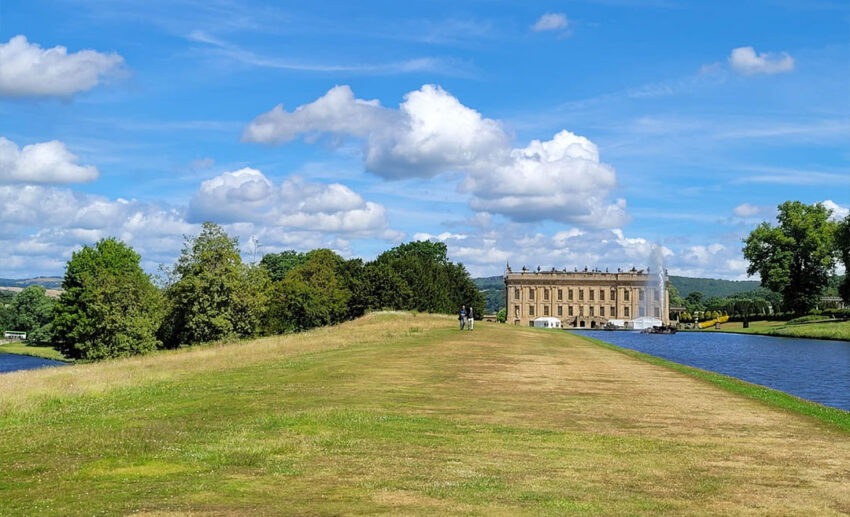
There is something strange and wonderful about seeing a place you know only from a film suddenly appear in front of you in real life. The buildings are the same, the landscapes are recognisable, but without the music, costumes and actors, they feel completely different.
That is part of the appeal of set-jetting: travelling somewhere because a fictional world has made you curious about the real one. For Pride and Prejudice fans, the 2005 film offers an especially beautiful route through the English countryside, with grand houses, sweeping landscapes, historic towns and gardens that feel almost unchanged from Austen’s world.
You don’t need to be a serious film buff to enjoy it. The locations are destinations in their own right, but knowing their role in the film adds another layer to the experience.
Stourhead: where Elizabeth and Darcy first collide
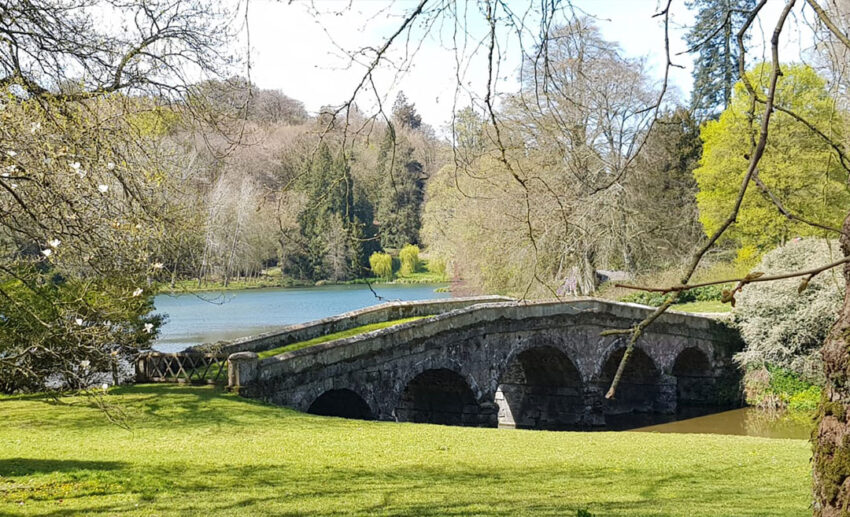
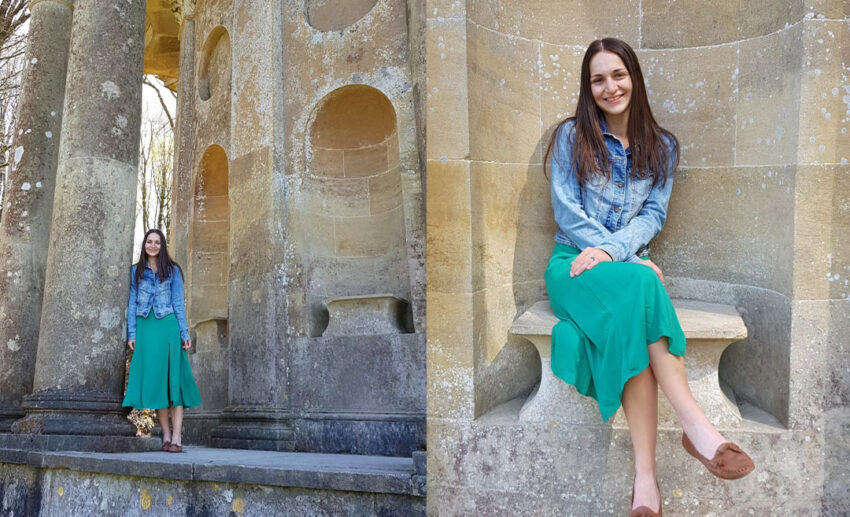
One of the most recognisable locations is Stourhead, a spectacular landscape garden in Wiltshire. It provides the setting for one of the film’s most memorable scenes: Elizabeth Bennet and Mr Darcy’s encounter at the Temple of Apollo.
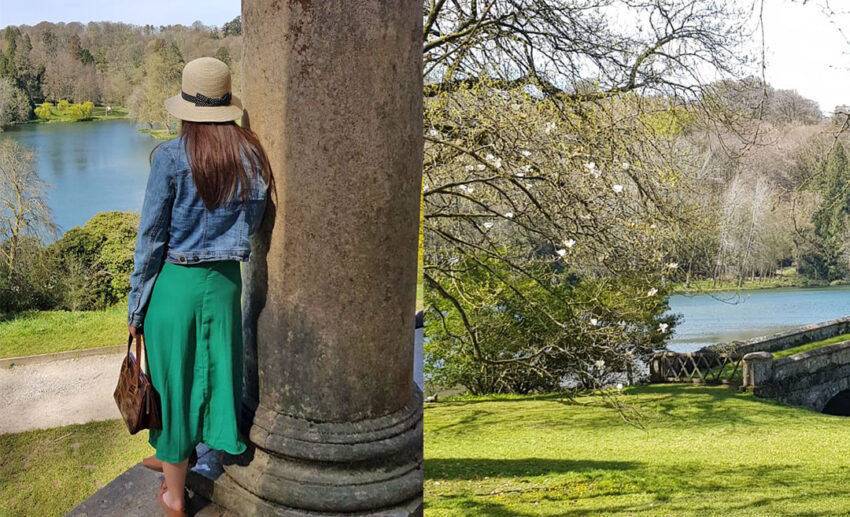
The scene is beautifully shot, using the lake, classical architecture and woodland to create a romantic atmosphere that feels almost dreamlike. Visiting the gardens gives you the chance to experience that landscape without the cinematic framing, wandering the same paths and seeing the Temple of Apollo for yourself.
Stourhead is also a reminder of why film locations can be such effective travel inspiration. You might arrive looking for one particular scene, but the gardens encourage you to slow down and explore beyond it. Take the walking route around the lake, stop at the different temples and viewpoints, and give yourself enough time to experience the landscape rather than simply finding the various filming spots and leaving.
Chatsworth House: stepping into Pemberley
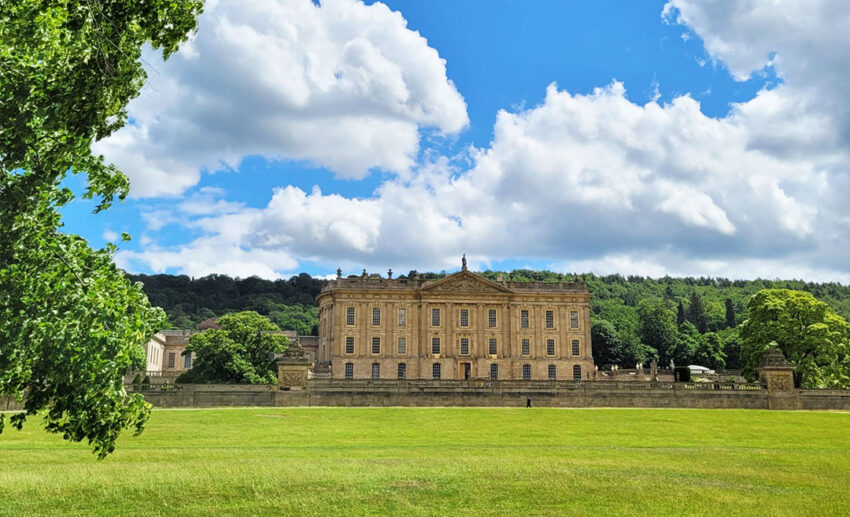
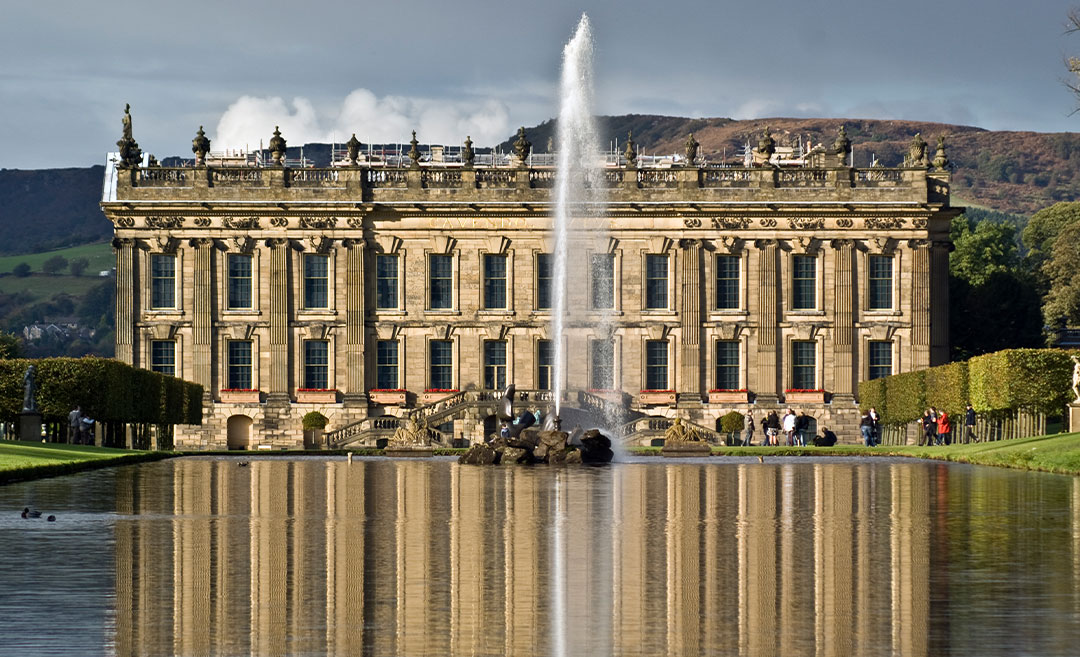
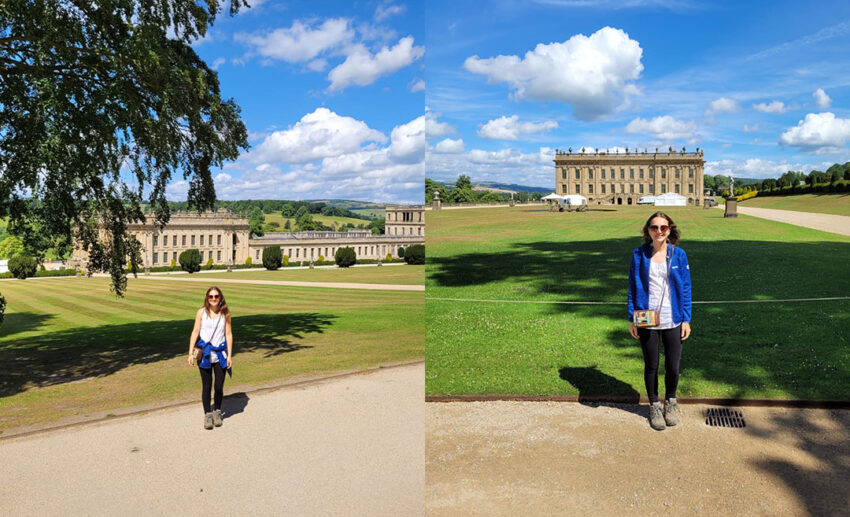
Few locations are as closely associated with the 2005 film as Chatsworth House in Derbyshire, which doubled as Pemberley, Darcy’s grand family home.
The exterior alone is instantly recognisable, but the experience becomes even more exciting when you walk through the house and begin recognising rooms and details from the film. The grand interiors help explain why Chatsworth was chosen to represent Pemberley, while the surrounding Peak District landscape provides the sweeping backdrop that makes Darcy’s estate feel so imposing.
For Pride and Prejudice fans, this is arguably the ultimate stop on a Jane Austen travel itinerary and the set-jetting route alike.
But it is worth resisting the temptation to treat Chatsworth as simply a film set. Explore the house, gardens and wider estate, and take time to appreciate the landscape that helped create the film’s sense of place. The surrounding countryside also makes this a particularly good stop for anyone who enjoys walking, with plenty of opportunities to combine literary travel with time outdoors.
Burghley House: a taste of Austen’s world
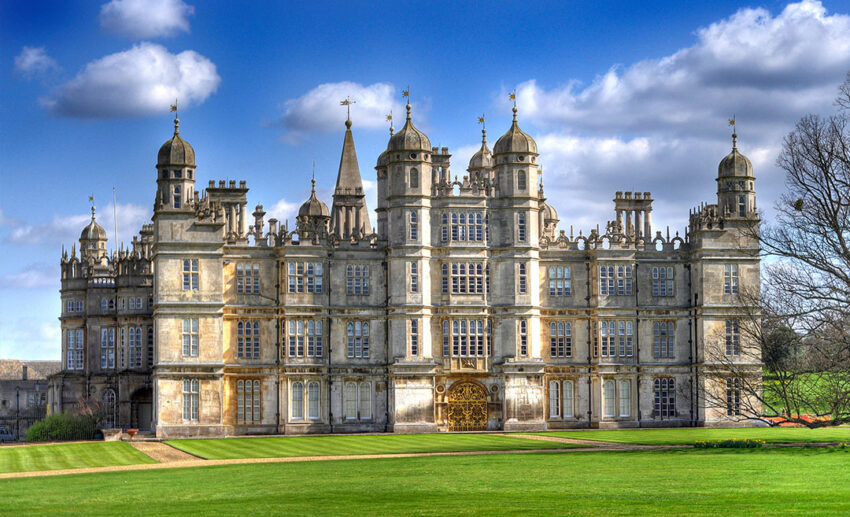
Further east, Burghley House near Stamford was another important filming location as Rosings Park. Its magnificent Elizabethan architecture and elaborate interiors were used for several scenes, helping establish the world of wealth and social expectation inhabited by the Bennetts, Darcys, and Bingleys.
Even if you don’t immediately recognise every room, visiting Burghley gives you a better understanding of the visual language of the film. These enormous historic houses aren’t simply attractive backdrops; they help communicate the differences in wealth and lifestyle that sit beneath Austen’s writing.
The estate is worth exploring beyond the house itself. Its extensive parkland gives you another opportunity to experience the English countryside that forms such an important part of the film’s atmosphere.
Stamford: finding Meryton
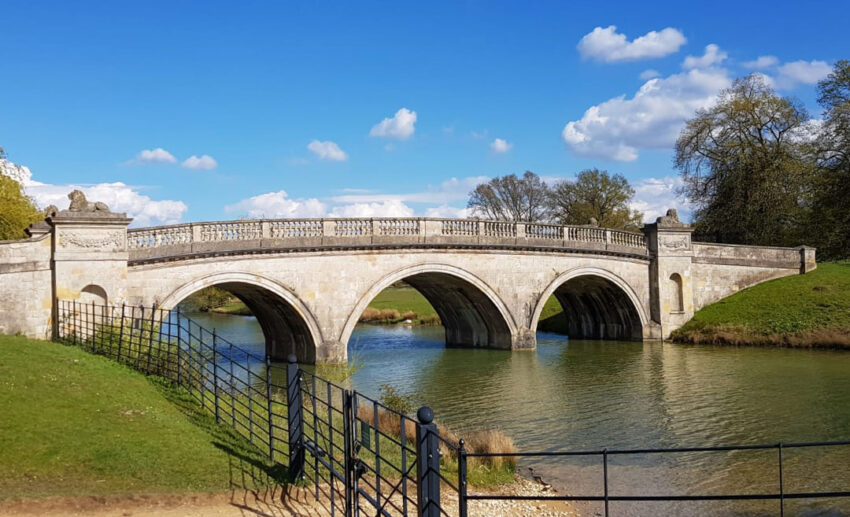
Just a short distance from Burghley is Stamford, whose historic streets were transformed into the fictional village of Meryton.
This is one of my favourite aspects of following filming locations because you aren’t simply visiting a building that appeared on screen. You’re walking through an entire town that was used to create part of the fictional world.
Stamford’s historic centre, with its stone buildings, narrow streets and distinctive architecture, makes it easy to imagine how it became Meryton.
Look beyond the locations you recognise from the film. Wander down side streets, stop for coffee, browse the independent shops and explore the surrounding historic buildings. You may find yourself noticing the town differently simply because you know what it once represented on screen.
Make your own Austen-inspired road trip
One of the best things about this route is that you don’t need to follow an organised tour. The locations can be combined into an England road trip through some of the country’s most beautiful countryside, with plenty of opportunities to add your own stops along the way.
You can also tailor the trip around your interests. Austen fans might want to add other literary locations, while walkers can build in hikes around the Peak District or Wiltshire. Historic houses, gardens and pretty market towns provide plenty to explore between the recognisable film locations.
The point isn’t to spend the entire trip searching for the exact spot where a particular character stood. It’s to use the story as a starting point for exploring somewhere you might otherwise have overlooked.
Pride and Prejudice filming locations: essential planning guide
Stourhead, Wiltshire
- Google Maps
- Film connection: Temple of Apollo / Elizabeth and Darcy scene
- Tickets: 20 GBP (National Trust)
- Allow: 3 hours
Chatsworth House, Derbyshire
- Google Maps
- Film connection: Pemberley
- Tickets: 33 GBP
- Allow: 5-6 hours for house and garden tour
Burghley House, Lincolnshire
- Google Maps
- Film connection: Rosings Park
- Tickets: 22 GBP
- Allow: 3-4 hours for house and garden tour
Stamford, Lincolnshire
- Google Maps
- Film connection: Meryton
- Tickets: Free to explore the town
- Allow: 3-4 hours
Let the story take you somewhere
There is something incredibly nostalgic about travelling for a story you already love. We spend so much time searching for the next big destination that it is easy to forget the simple pleasure of following our own interests.
For me, Pride and Prejudice was never just a film. It was part of my childhood, something I returned to throughout different stages of my life, and one of the stories that first sparked my desire to write. Visiting its filming locations turned that relationship with the story into something physical: instead of watching Elizabeth walk through an English landscape, I could walk through it myself. I could imagine myself as the heroine Elizabeth represents.
And perhaps that is the best reason to try set-jetting. Think about the books, films, music or hobbies that have stayed with you over the years, then ask yourself where they could take you.
Sometimes, the most rewarding travel inspiration has been sitting on your bookshelf or tucked away in your Netflix favourites all along.
All photos are by and courtesy of the writer, Jessica Holmes, unless otherwise stated.