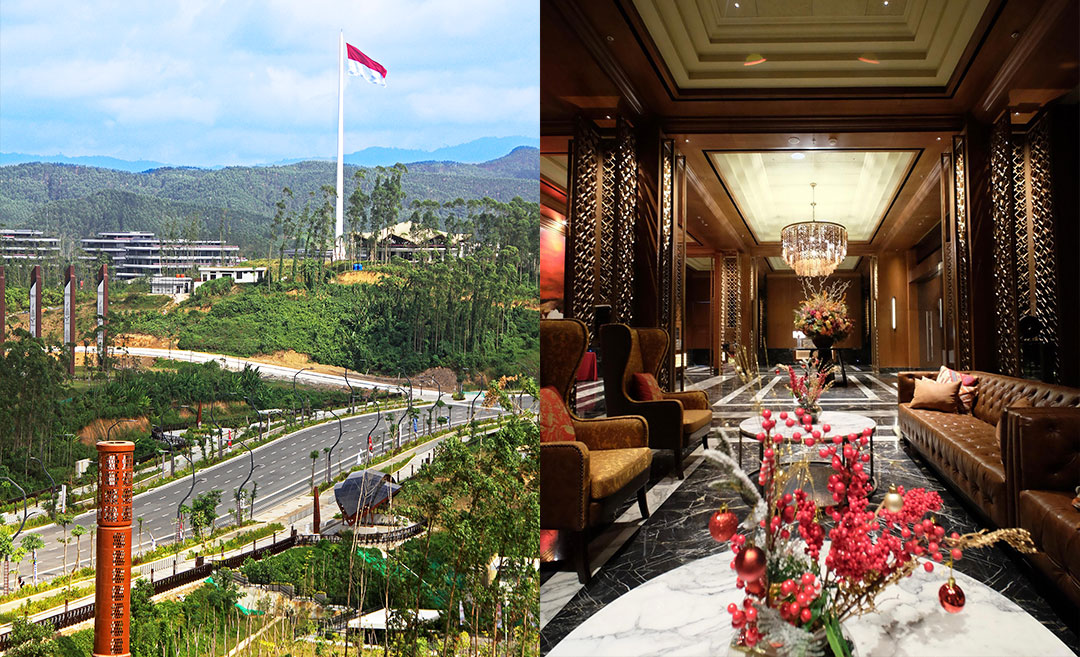
Intrigued by Indonesia’s new capital city, our contributor heads to East Kalimantan to admire the progress of Ibu Kota Nusantara. (Left: Image by David Bowden. Right: Image by Swissôtel Nusantara.)
Indonesia’s best-kept secret is that its capital is no longer Jakarta but Nusantara (full name: Ibu Kota Nusantara)—at least when all the government departments officially relocate in the coming few years.
In 2017, President Joko Widodo initiated the assessment of alternative sites for a new capital outside of Java. This site was identified in Indonesian Kalimantan on the island of Borneo. The site selected was a former eucalyptus plantation, 90km northwest of Balikpapan in East Kalimantan.
Since then, work has been progressing on essential government infrastructure, including the presidential and vice-presidential palaces, government ministries, housing and lifestyle requirements for public servants, and all other essential elements that go into making a city livable. This includes hotels for visitors to stay in.
So, when I received an invitation from Swissôtel Nusantara, I accepted, eager to visit the new planned capital and to enjoy all that the hotel has to offer.
A capital move, from Jakarta to Nusantara
While moving around Jakarta has improved over the past decade through investment in public transport, most visitors to the city know that it’s not the easiest to navigate. However, it’s important to recognise that Jakarta is one of the world’s largest cities with officially over ten million residents.
I don’t envy the city mayor who has to manage this overcrowded metropolis, which is also sinking and experiencing regular flooding. It was a bold move when the president announced that a new capital would be built in what is regarded as the geographic centre of the Indonesian archipelago.
Countries like Myanmar (Naypyidaw), Brazil (Brasilia), and Nigeria (Abuja) have built new capitals from scratch. Malaysia also took a big leap forward with Putrajaya, and it is still evolving 30 years on. The Nusantara planners have set 2045 for Nusantara to be fully developed.
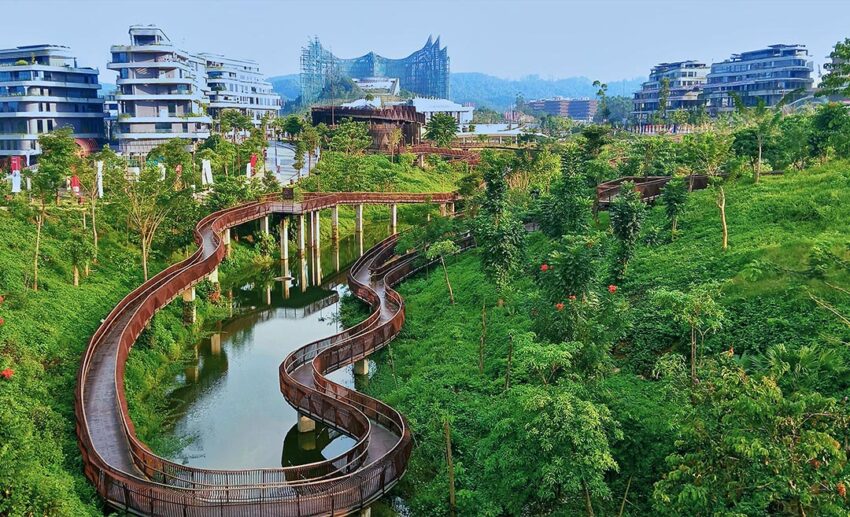
That said, I was most impressed with what I saw when I recently checked into the Swissôtel Nusantara and began exploring its road network, parks, public spaces, and government buildings currently in place. While most, including the grand Presidential Palace, sit awaiting the arrival of government staff, one senses that this is imminent.
Capital home
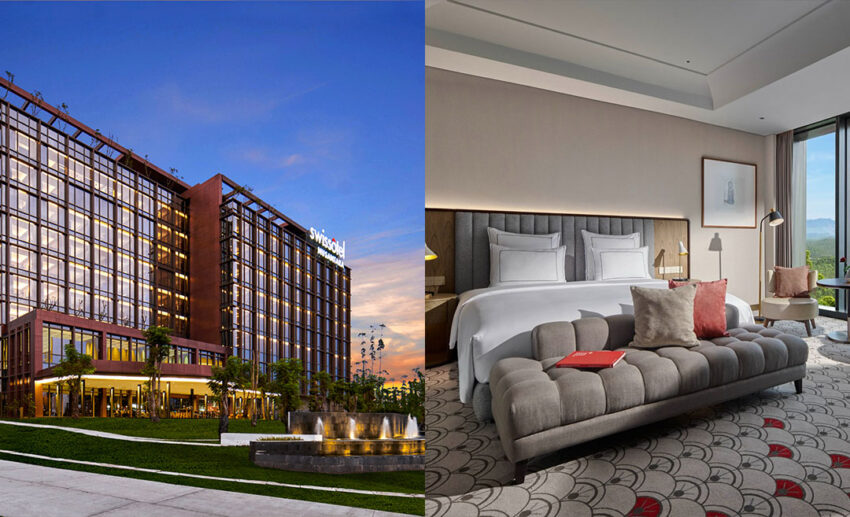
Tourists are starting to trickle in, and government staff are making official visits. Most are checking into the Swissôtel Nusantara, as it is the only five-star rated accommodation in town. The Westin and Four Points by Sheraton have announced plans to follow Swissôtel’s lead.
My arrival at the property, which had only been open for less than a year, assured me that I was on the island of Borneo. Dayak dancers and musicians, colourfully dressed in traditional attire, greeted me at the entrance, reminding me of similar receptions I had experienced in longhouses in Sarawak.
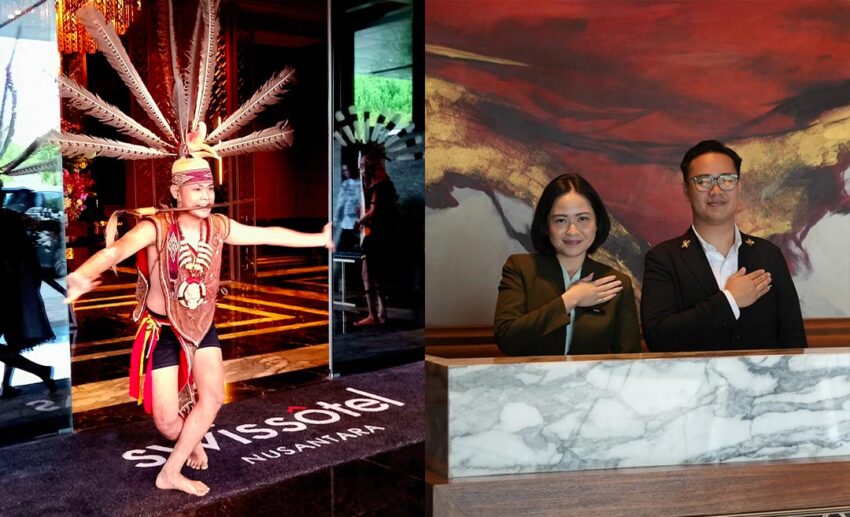
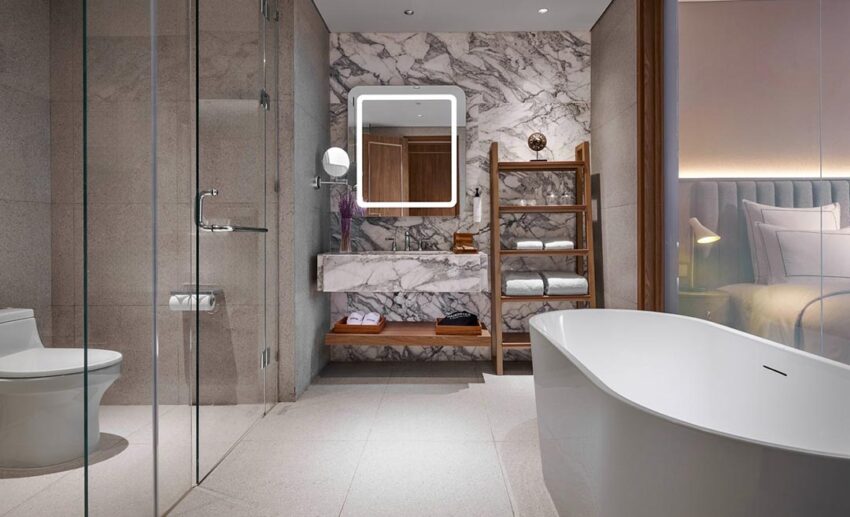
However, the comparison with a longhouse stopped at the hotel’s entrance, as the property is very much a deluxe five-star hotel that would not look out of place in a large city. My carpeted room was well-appointed with a spacious bathroom, including a free-standing soaking tub.
Its other recreational facilities are equally impressive, such as a gym, pool, sundeck, and the very soothing Pürovel Spa, known for providing holistic treatments and its use of high-quality Swiss products. While the weather was not hot when I visited, I did enjoy relaxing in the cool water of the hotel pool.
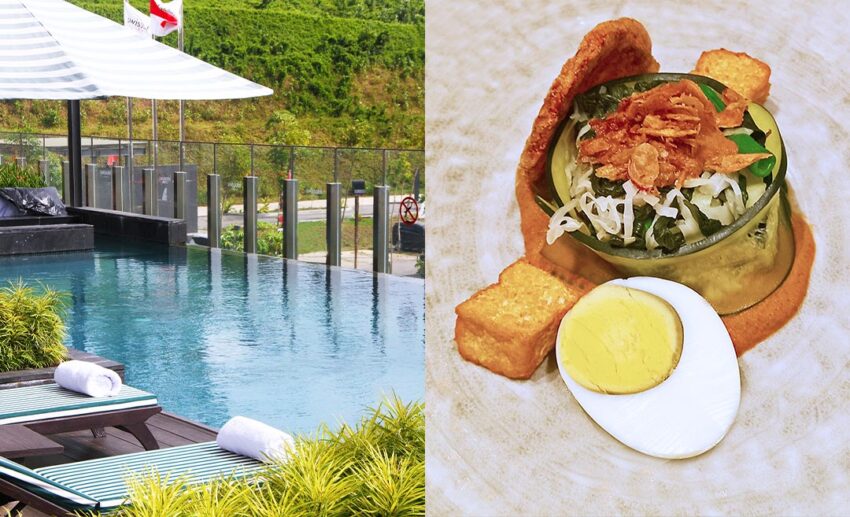
Guests staying on the hotel’s premium floor have access to a club lounge that overlooks the pool. NUSA Restaurant, the hotel’s main food and beverage outlet, serves inviting local, Asian, and international dishes. It had been a while since I had enjoyed gado-gado, and I was not disappointed.
Nusantara landmarks
The Swissôtel Nusantara is within walking distance of many of the new capital’s landmarks.
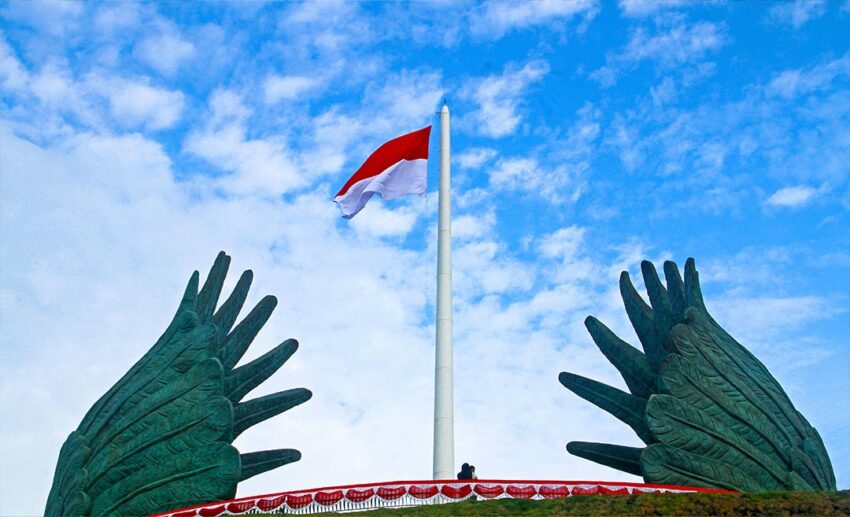
Istana Negara, or Presidential Palace, was inaugurated in October 2024. The entire complex of palace, residence, and ceremonial spaces, extending over 100 hectares, is located beneath the iconic Garuda Palace. The palace features ceremonial halls, symbolic pillars, and interiors that celebrate Indonesia’s heritage. It takes the form of a giant Garuda, which is Indonesia’s national symbol. It has a steel wingspan of 170 metres and dominates the capital’s skyline.
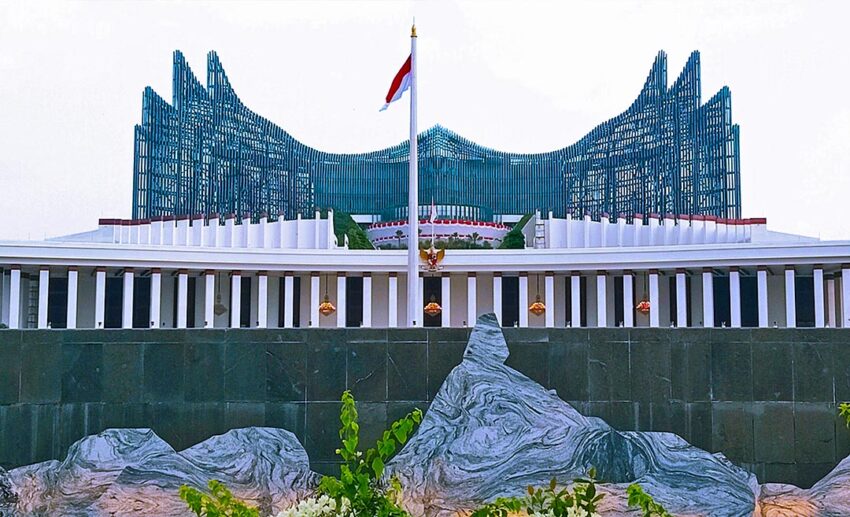
Taman Kusuma Bangsa is a national tribute park honouring Indonesia’s founding heroes, President Soekarno and Vice President Hatta. It features an eternal flame and a 79-metre flagpole, and is meant as a space for reflection and a symbol of national spirit.
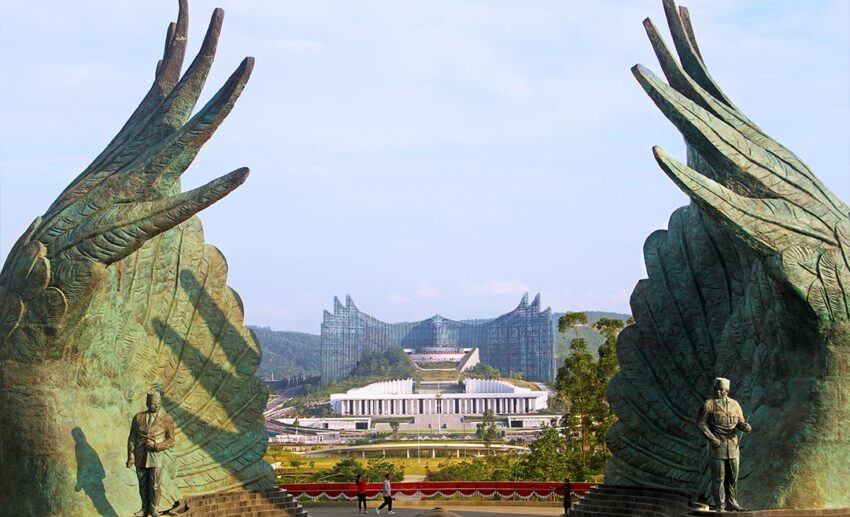
These sites, and the new ministerial headquarters, are set amongst lush tropical landscaping that includes a stream and elevated walkways through shrubs and gardens.
The hotel is also beautifully landscaped in line with the brand’s guiding concept of vitality. The cooler weather and dedicated walking paths encourage guests to walk and exercise, and join in staff-organised jogging sessions.
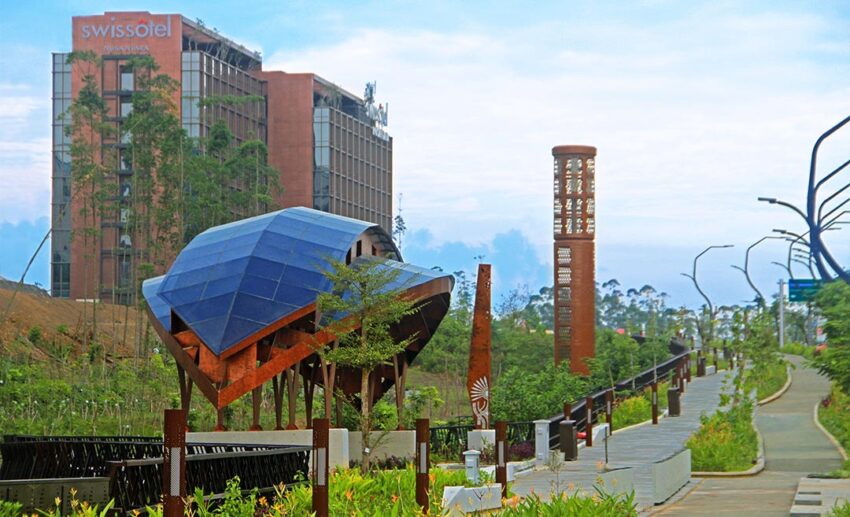
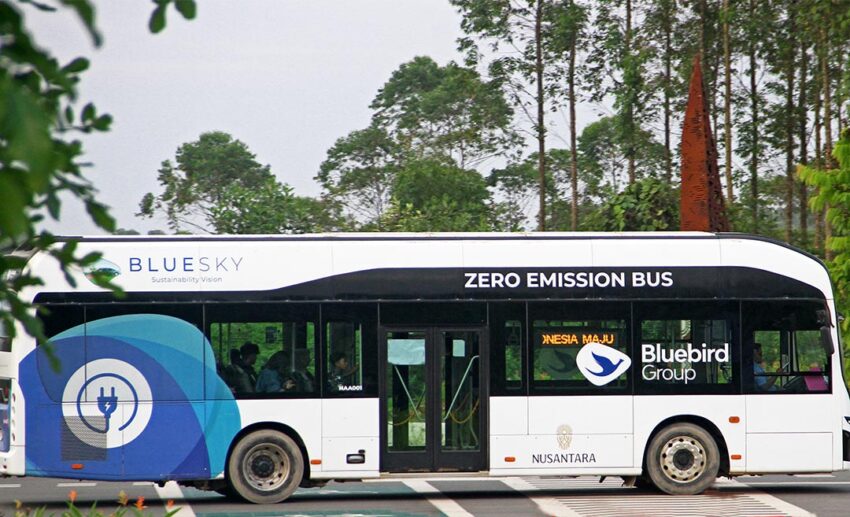
Although the tropical climate can seem challenging, I found walking the site refreshing, especially with the morning mist cooling the valleys. I was also happy to jump on one of the complimentary electric-powered buses that travel around the main circuit of the site. These buses are in line with the overall green planning that Nusantara has embraced.
After an enlightening few days in Nusantara, I was impressed with what I saw and looked forward to watching the new capital’s evolution over the next few years. While not yet a tourist attraction, I have a feeling that the capital will put this part of the world on the map, and the tourists will start arriving.
An Indonesian travel companion summed up her experience by saying, “I’m super proud to be Indonesian,” and that to me was a most appropriate reflection.
Getting there
Nusantara is currently not the easiest regional capital to access, but that is destined to change with the opening of an airport in 2026. Currently, visitors fly into Balikpapan via airlines like AirAsia, then drive on the just-opened freeway from there to the front door of the Swissôtel Nusantara.