From Banksy’s street art to harbour views, Bristol delivers memorable experiences without breaking the bank. Here are attractions in this city that are completely free. (Image by Nathan Riley.)
Bristol is living proof you don’t need deep pockets to experience creativity and culture in England. From hunting down Banksy’s iconic pieces to enjoying jaw-dropping musical talents in small pubs, some of my favourite Bristol core memories haven’t cost me a penny. Here are five ways to stumble upon hidden corners and local secrets—for free.
1. Walk the walks
Those legs were made for walking, and that’s just what they’ll do. Around every corner, Bristol hides a treasure trove of surprises. With its infamous links to pirates, slavers, smugglers, artists, writers, and more, there’s bound to be a walk for all walks of life.
- Treasure Island Trail: Discover Bristol’s turbulent history, the pub haunts of 17th and 18th-century pirates which contributed to one of England’s most famous literary works—Treasure Island—and the city’s picturesque harbour and quayside.
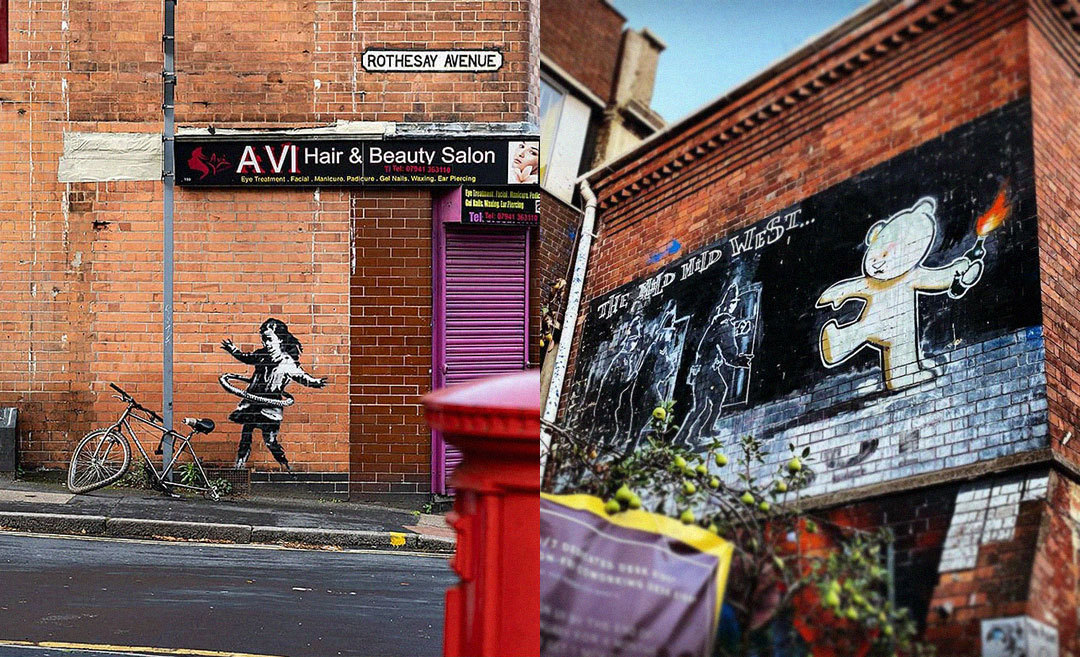
- Banksy Walking Tour: Bristol is the world-renowned street artist Banksy’s home turf, which means you’ll find his art dotted around the city, from art museums to the sides of buildings.
- The Bristol Bridges Walk: A challenge that isn’t for the faint-hearted, the Bristol Bridges Walk is a 45-kilometre trek that takes you across all 45 of Bristol’s bridges in one circular swoop, without crossing the same bridge twice.
Looking for other walks? Find more options here.
2. Visit museums and galleries
Bristol offers an impressive collection of museums and galleries that showcase both local heritage and international art, with free admission to most venues. The city’s transformed warehouses, Victorian buildings, and purpose-built spaces house everything from ancient Egyptian artefacts to tomorrow’s art stars, making culture accessible to everyone. Here are some favourites.
- M Shed
- Bristol Museum and Art Gallery
- Arnolfini
- Spike Island
- Underfall Yard
- The Royal Photographic Society
- Martin Parr Foundation
3. Get breathless with sweeping views
Bristol’s hilly disposition means you’re never too far from a breathtaking POV. The city is a mix of hills, bridges, and clifftops, where you’ll be able to enjoy views of everything from the bustling harbour to the rolling countryside.
- Cabot Tower (1898): A neo-Gothic tower set atop Brandon Hill, the iconic 105-foot landmark provides the best panoramic views of the city.
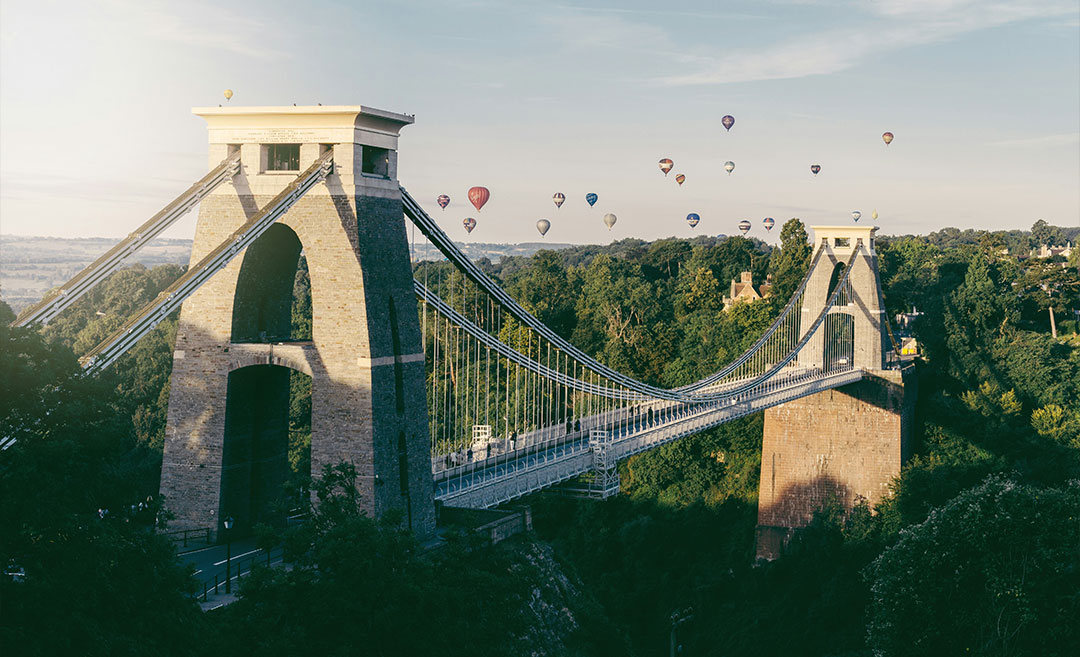
- Clifton Suspension Bridge (1864): A Victorian engineering masterpiece that stretches across the Avon Gorge and River Avon, Clifton Suspension Bridge is the symbol of the city and offers gorgeous views up and down the gorge.
4. Check out some free live music
With a reputation for being a breeding ground for musical innovation, Bristol’s music scene is legendary. It’s given the world genres the likes of Drum and Bass, Jungle, and Trip-Hop, and continues to nurture talent across every genre imaginable. There’s always something going on, but here are some places you’ll find them jamming.
- Sunday night hip hop jam with Family Business at The Gallimaufry
- The Door Is Ajar at The Jam Jar Bristol, monthly
- Live music and improv sessions at The Plough Inn
- Open mics, jams, bandeoke, live music nights, and more at Mr Wolfs
- Nightly live music and DJ sets at The Canteen
Be sure to check their social media accounts for deets! Some places have free entry all night, others only offer that up till a certain time.
5. Go back in time
Bristol was officially founded in 1155, making it one of the United Kingdom’s oldest cities. Though heavily blitzed during World War II, a number of old buildings remain, which you can visit for free.
- St. James Priory (1129): Built outside the city walls when Bristol was just a wee town with a few thousand residents, it was a Benedictine priory for monks. It used to throw a legendary medieval fair during the Middle Ages.
- Bristol Cathedral (1140): Originally a sizeable abbey built outside the city walls, it became a cathedral after monasteries were dissolved and the Church of England was created.
- St. Mary Redcliffe Church (1292): “The fairest, goodliest, and most famous parish church in England,” according to Queen Elizabeth.
- St. John’s Gate (1300s): The last remaining part of the city wall and surviving gate into the old city that sits at the bottom of Broad Street, one of the original main streets of Bristol.
- The Hatchet Inn (1606): Generally considered (and self-proclaimed) to be the oldest pub in Bristol, The Hatchet Inn has a number of interesting lores tied to its history, including one of Blackbeard stopping by for a drink.
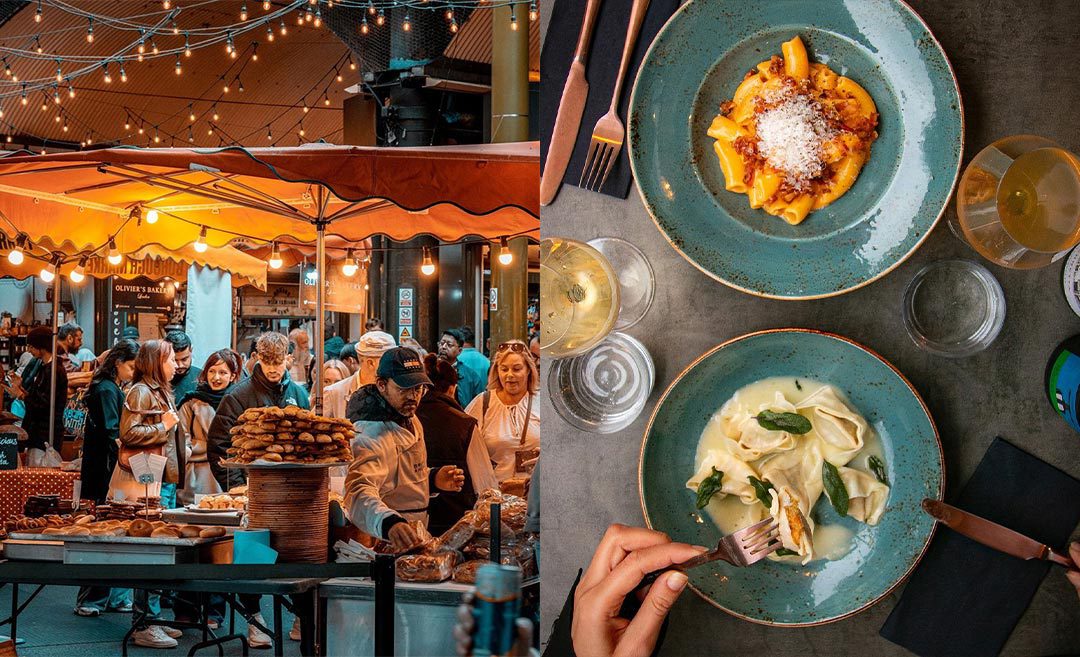
- St. Nicholas Market (1743): One of the oldest and most loved markets in Britain.