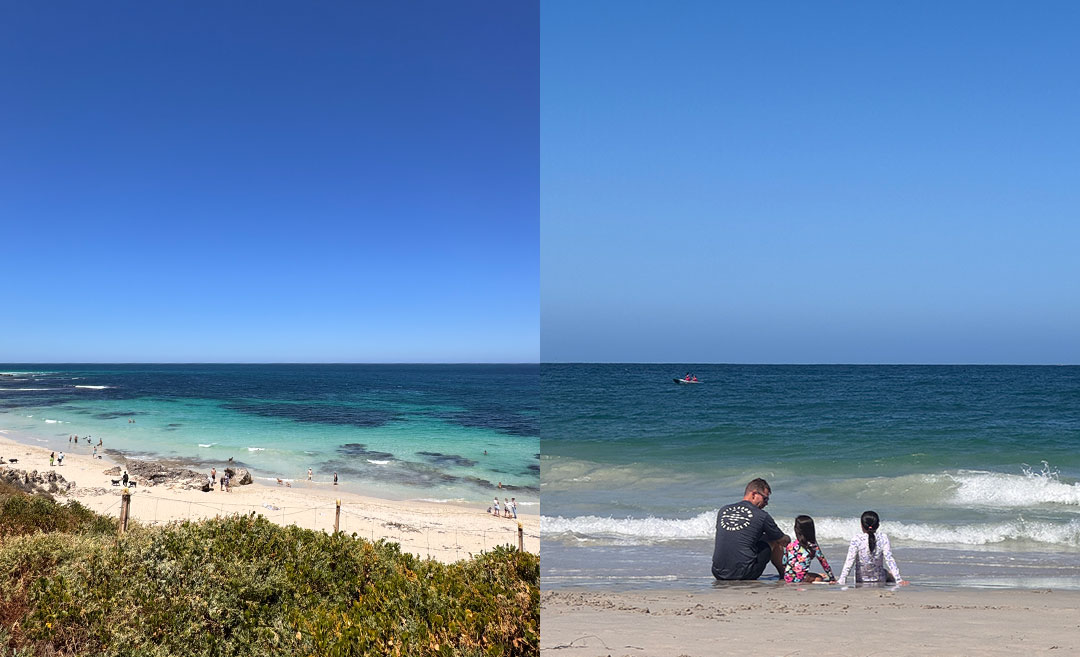
Moving from the pace of Kuala Lumpur to the coast of Perth taught me a quiet lesson: you cannot fast-track belonging.
What happened when I stopped trying to see everything and chose to actually know one place instead?
I used to travel like I was being graded on it. New city? I had a Google Maps category ready. I’d research the “best” coffee shops, the “hidden gem” restaurants, the lookout points that were—according to three different travel blogs—”totally worth the detour.” I’d come home exhausted, slightly bloated, and weirdly unsatisfied, like I’d eaten a huge meal too fast and barely tasted any of it.
It took me years to realise that the problem wasn’t travel itself. It was the pace.
That was me in my thirties. Now, in my early forties, things have started to switch up, especially after moving from Kuala Lumpur to Western Australia. I was desperately trying to absorb an entire region through a series of long weekends. I told myself it was for my daughters, that I wanted them to see everything. I wanted us to belong here, quickly, as if belonging could be fast-tracked.
Spoiler: You cannot fast-track belonging.
And that is where slow travel begins to make sense.
The accidental experiment
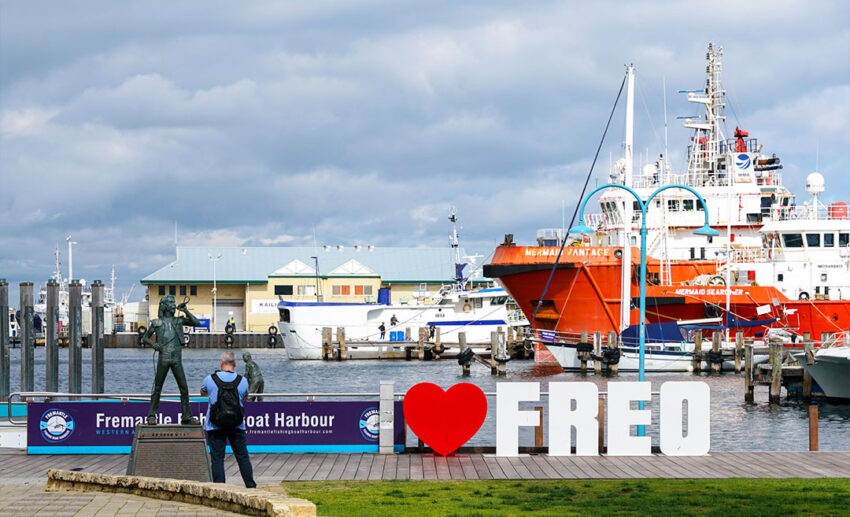
The shift happened because I was, honestly, just tired. On a school break, instead of driving somewhere new, I suggested we go back to Fremantle. We’d been before briefly, the way you do when you’re still ticking things off a list. But this time, no agenda except for hanging around, walking the same streets, and seeing what happens.
My first instinct was guilt because Fremantle is forty minutes from our house. Was this even a mini-holiday? Weren’t we wasting a perfectly good long weekend on a place that was so close to home?
I had a whole mental list of places we “still hadn’t seen.” But when we arrived, I kind of just let things take their course.
What staying put actually looks like
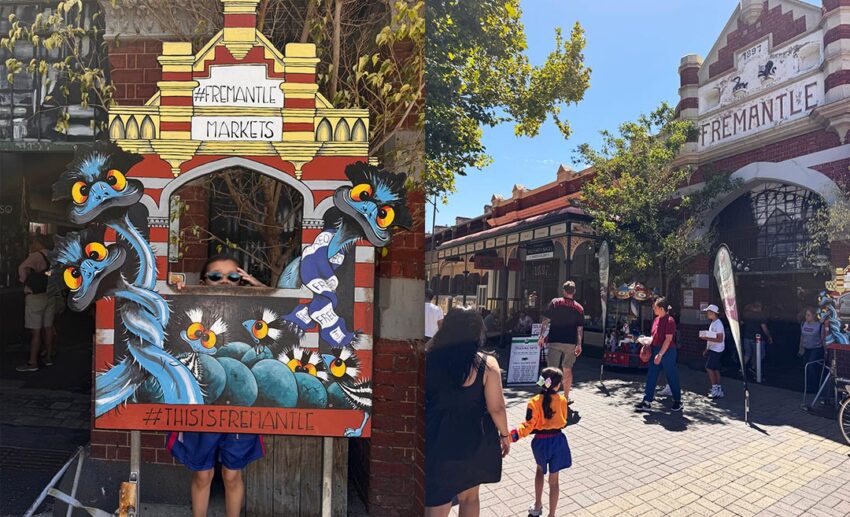
On the first morning, I woke up before the girls and went for a walk without my phone. I know, bold of me. I drifted down towards the Fishing Boat Harbour, then cut back through the cappuccino strip, past the market building, just following what felt familiar. That’s when I actually noticed things.
The older man doing tai chi alone near the esplanade, committed and unbothered. The way the light hit the limestone buildings was different before 8am. The locals who clearly had their Saturday morning routine locked in—the same bench and the same coffee order—and wanted absolutely nothing from the weekend except this.
By day two, the guy at the little coffee cart near the markets recognised my order. He didn’t make a thing of it; he just acknowledged me and started making. I’d never had that happen on a trip before, and that’s probably because I’d always been too busy moving to ever become a regular anywhere.
The Petaling Jaya comparison
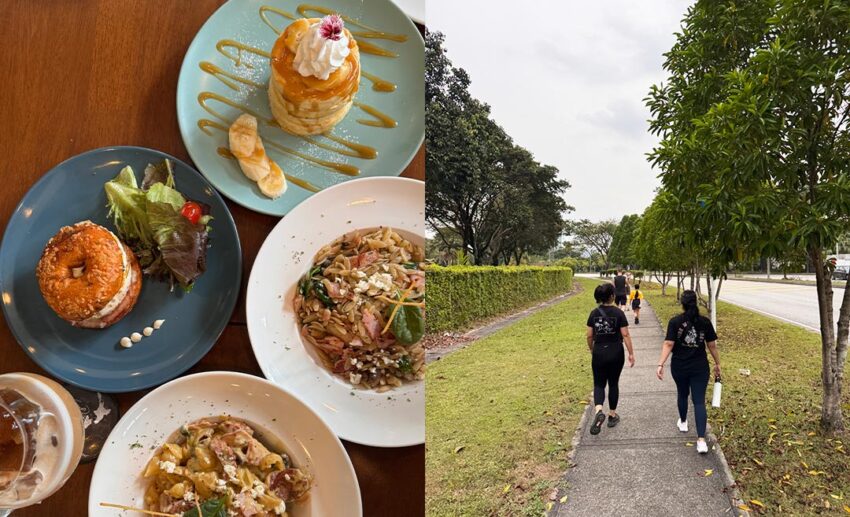
Before we left Malaysia, I found myself making similar choices. Instead of driving into KL to hunt down whatever new cafe or concept store was having a moment (and there’s always something), I took the girls to the same noodle shop in Ara Damansara that my youngest loves, same curry cekodok aunty, and our same slightly chaotic routine.
We walked the old neighbourhood slowly, and I showed them places I frequented before they were born. We also drove past a house we once rented, once in the afternoon, once when the streetlights came on, and it felt more like how I remembered it.
That second pass? It showed me things the first never could: what had changed, what had somehow survived, and ultimately how I had changed, without even realising it.
Staying put isn’t always about planting yourself somewhere for two weeks. Sometimes it’s just choosing depth over the next shiny thing.
The FOMO is real, but so is the exhaustion

Look, I get it. There’s a whole ecosystem built around making you feel like you’re missing out. The Instagram Reel of someone’s “underrated” hill town, the endless listicles of places you need to visit before they get “too touristy.” It’s a lot to digest and creates an everlasting feeling of partial emptiness that longs to be fulfilled. And for a while, I genuinely believed that being a good traveller meant constantly discovering.
But here’s what I’ve realised lately: I don’t want to discover more — I want to understand more.
When you stay in one neighbourhood long enough, you stop moving like a tourist. You start greeting people, and you know where the good light falls in the afternoon. You slowly stop photographing everything because you’re too busy actually experiencing it.
As someone who permanently lives between two identities—Malaysian by heart, Australian by address—that feeling of temporary belonging hits differently. Migration does something quiet and a little brutal to your sense of place. You’re always slightly outside, slightly translating yourself. Staying put, even briefly, begins to stitch something back together.
On the last evening of our weekend away

Our last day felt less like the end of a day trip and more like leaving a life we’d borrowed for a weekend. My daughters asked if we could come back, and I said yes before they’d even finished the sentence.
In Southeast Asia, many of us grow up doing the efficient holiday: Bangkok, Bali, Singapore and always back by Sunday. And there’s nothing wrong with that, honestly; that version of travel can be genuinely wonderful in its own way.
But right now, in this season of life? I don’t need more stamps in the passport. Right now, I crave the quiet luxury of arriving somewhere and thinking: oh, I know this place a little and it knows me. Next time, the same coffee/sandwich truck, the same lunch spot and probably the same Vietnamese restaurant, we happened to stumble upon.
And it’s not because we are running out of places to explore. It’s because we’re finally learning how to stay put — and be content doing so.
All photos were taken and provided by the writer, unless stated otherwise.
Zafigo’s un-itinerary planner: Choosing depth over distance
Emma’s shift from packed itinerary researcher to the morning coffee regular reminds us that breaking the cycle of high-speed travel starts with a quiet, somewhat radical mindset shift. Instead of racing toward the next hotspot or hidden gem, use these pointers to move away from the checklist and actually step into the heart of a place:
Become a three-day regular: Emma’s coffee cart experience is proof that consistency is the shortcut to belonging. Find one local spot and visit it three mornings in a row. By day three, you aren’t just a tourist; you’re part of the morning furniture. It’s the easiest way to feel a place start to “know” you back.
The second pass perspective: Don’t just tick off a street and move on. Revisit a favourite corner at a different hour. Like Emma’s drive past her old house, that second look reveals truths the first one always misses.
Lose the digital detour: Follow Emma’s lead and leave the phone behind for a thirty-minute stroll. When you stop looking for a must-visit on a screen, you start noticing the locals and the way the light hits the pavement—the things that actually make a city feel alive.
Prioritise macro moments: Slow travel is about choosing depth over the next shiny thing. Instead of wide-angle panoramas, look for the small stuff—a local’s Saturday morning routine or the specific scent of a neighbourhood noodle shop. These are the details that stitch your sense of place back together.
The contentment check-in: If you feel FOMO creeping in, ask yourself Emma’s question: Do I want to discover more, or do I want to understand more? Often, the most empowering choice isn’t the next stamp in your passport, but the quiet luxury of finally being exactly where you are.