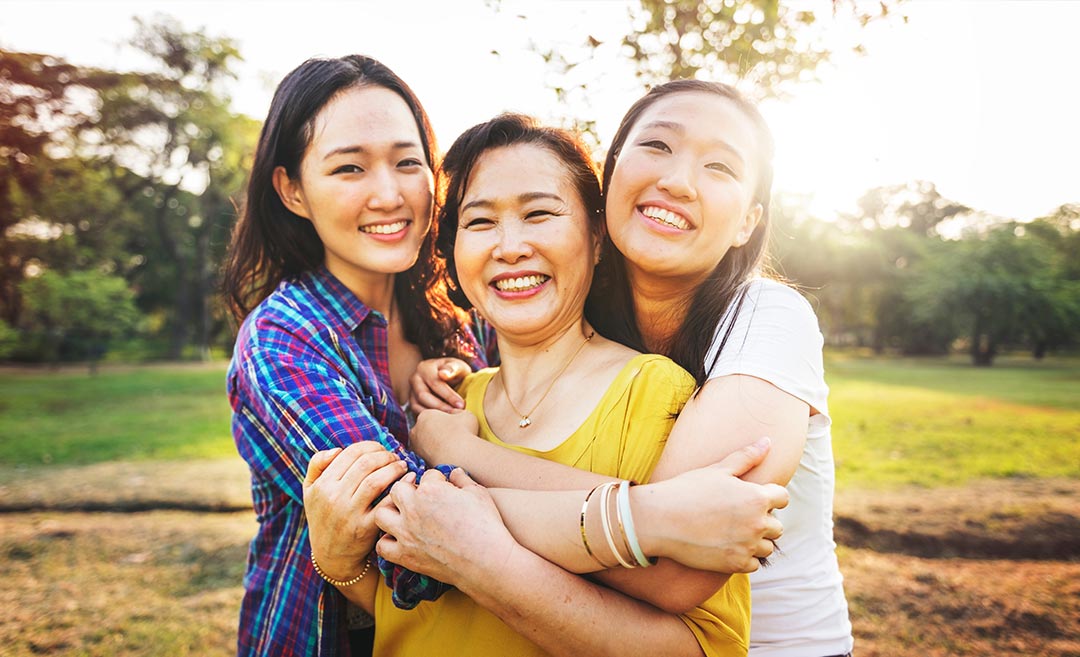
Associate Professor Dr Chong Wei Ying and Norshahila Mohamad Razak from Taylor’s University explore how systemic gaps in feminine hygiene access impact social and economic mobility.
Planning a school day, a long commute, or even a simple outing is something many people take for granted. For girls and women experiencing period poverty, the question of whether they can access menstrual products, safe facilities, and privacy can shape whether they show up at all.
Period poverty — the lack of access to menstrual products, adequate hygiene facilities, and menstrual education — remains a significant public health and human rights issue. Globally, fewer than half of schools have the basic water and sanitation facilities needed to support menstrual hygiene, and many lack proper disposal bins. Without these essentials, girls are left to navigate menstruation with embarrassment and anxiety in environments that are meant to support their learning and growth.
Silence and stigma deepen the challenge. Around the world, many young people who menstruate miss school because they lack the resources to manage their periods safely and confidently. In many homes and communities, menstruation is still treated as a private or taboo topic. Boys are rarely educated about it, and girls are often taught to keep it hidden. The result is a cycle of discomfort, missed opportunities, and diminished confidence.
Why period poverty limits participation
Period poverty is not only about affordability. It affects how freely girls and women can move through public spaces, participate in education, and take part in everyday life.
When menstrual care is uncertain, attending school regularly becomes more difficult. Activities like school trips, extracurricular programmes, and long days outside the home can feel daunting. Over time, this can shape educational outcomes, self-esteem, and future opportunities.
Access to menstrual care is ultimately about dignity and participation — the ability to learn, travel, work, and show up without fear or shame.
Community efforts are leading the way
Encouragingly, grassroots initiatives in Malaysia are already making a difference.
The Haid, Jangan Hide campaign by the All Women’s Action Society (AWAM) is reframing menstruation around dignity, solidarity, and self-efficacy. Through workshops and reusable pad-making activities, the campaign helps women and girls better understand their bodies while creating safe spaces for open conversation, particularly in underserved communities.
Projek Oh! Bulan, founded by Kelantan activist Zuraidah Daut, is tackling period poverty in rural schools by placing donation boxes in salons and grocery stores and distributing supplies to students. These efforts help ensure girls no longer miss school simply because they cannot afford menstrual products.
Together, these initiatives highlight a powerful truth: Malaysian communities are ready to talk about menstruation openly and support meaningful change.
Sustainable solutions that support dignity
Alongside improving access, there is growing momentum around sustainable menstrual products such as reusable cloth pads, menstrual cups, and period underwear. These options can reduce long-term costs, making them more viable for low-income communities while also minimising environmental impact.
Disposable pads can take centuries to decompose, and over a lifetime, the average menstruator may use around 11,000 pads. Sustainable alternatives offer a pathway that supports both affordability and environmental responsibility.
With proper education on safe use, cleaning, and storage, these products can become practical, empowering options for many communities.
From community action to national change
While grassroots initiatives are vital, lasting progress requires national commitment.
Malaysia has taken a positive step by zero-rating menstrual products, but affordability alone does not address deeper systemic challenges around access, education, and infrastructure. Real change means recognising menstrual health as a fundamental aspect of public health and gender equality.
Meaningful progress could include:
Providing free sanitary pads in schools and public institutions
Ensuring consistent access in public secondary schools, particularly in low-income areas, would help prevent students from missing classes due to financial barriers.
Introducing menstrual education for all genders
Comprehensive menstrual health education in schools can normalise conversations, reduce stigma, and foster empathy among both boys and girls.
Improving facilities and disposal systems
Access to clean water, soap, and proper disposal bins in schools and public restrooms is essential for safe menstrual hygiene.
Investing in national research and data
Reliable data on the scope of period poverty in Malaysia would help guide targeted policies and interventions.
A future where no one is left behind
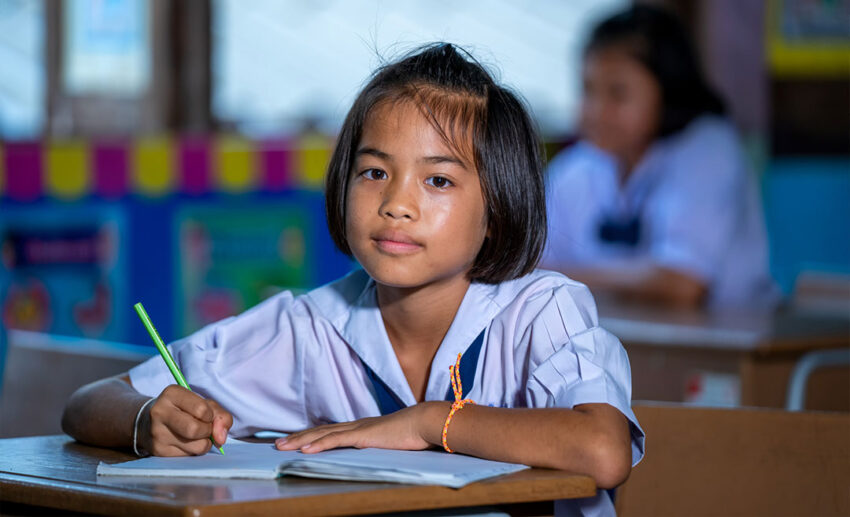
Period poverty is about far more than menstrual products. It is about equality, health, and opportunity. No girl should have to stay home from school because she cannot afford a basic necessity.
As Malaysia continues its journey toward high-income status and the Sustainable Development Goals, menstrual health must be part of the national conversation. Ensuring access to menstrual care is an investment in education, confidence, and in girls’ and women’s ability to participate fully in society.
The time for silence is over. The time for sustained, collective action is now.
This opinion piece was written by Associate Professor Dr Chong Wei Ying and Norshahila Mohamad Razak, academics and members of the Eradicating Poverty Impact Lab at Taylor’s University, and adapted by the Zafigo editorial team for our audience.
Cover image by macbrianmun