Towering shelves and quiet reading spaces inside Mexico City’s spectacular Biblioteca Vasconcelos, where literary journeys begin long before packing a bag. (Image by paloma rodriguez)
As concerns about the modern literacy crisis grow, the rise of literary travel is a welcome development. Part of the renewed interest in literature may be attributed to the many ways people discover books today, from film and television adaptations to BookTok recommendations. It is worth embracing these avenues, particularly in an era increasingly preoccupied with accusations of performativity.
What is that, you ask? Somewhere along the way, modern social culture seems to have developed an expectation that people should appear as nonchalant as possible about their interests or how they present themselves to others. Even seemingly simple activities, such as reading in public, can invite accusations of being disingenuous, pushing genuine enthusiasm for literature into the background. If discovering books through non-traditional avenues helps counter this and the concerns surrounding reading habits, then so be it! Maybe the more important question is not how people discover books, but whether they engage with them at all.
Literary travel turns a love of reading into a reason to explore the world, whether by visiting independent bookshops, authors’ former homes, historic libraries, places that inspired favourite works, or literary festivals. For these travellers, the journey is about more than following a trend; it is a chance to experience the stories, places, and communities that have captured their imagination.
Understanding writers through the places they knew

Becoming a fan of a literary work often makes you want to get into the mind of the author themselves. You want to understand the mindset and environment that may have inspired them to weave their stories the way they did. Maybe the characters were inspired by people in their lives, or a book’s setting was drawn from the author’s hometown.
Readers of contemporary authors explore these questions through meet-and-greets, author talks, and panel discussions at literary events, where they may even get the chance to ask their favourite writers directly.
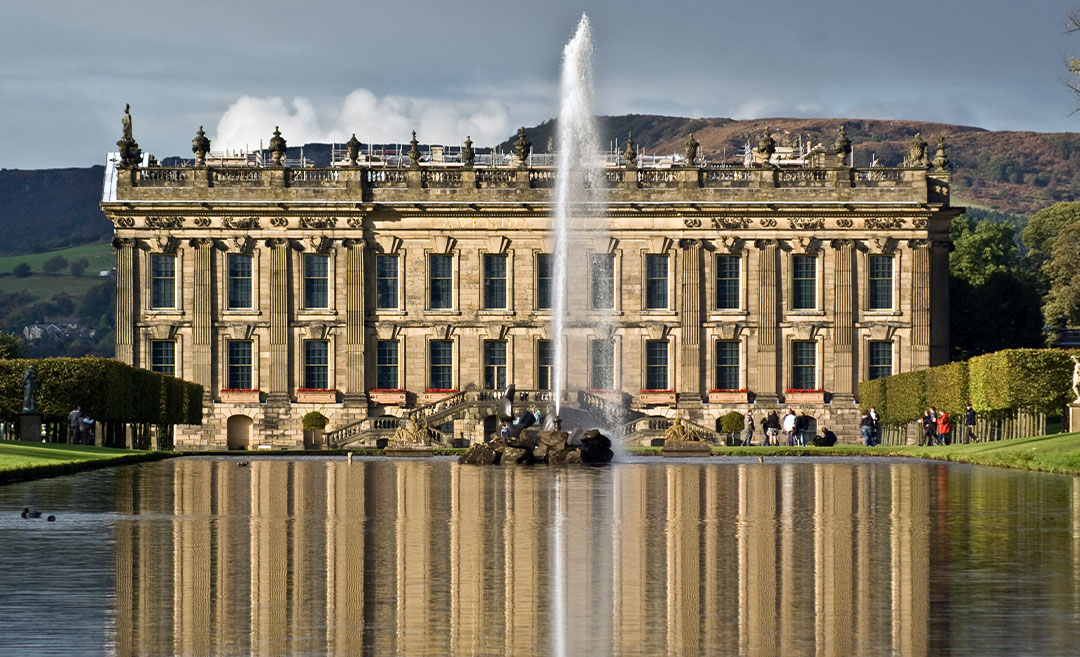
With older authors of classics, literary travellers typically try to satisfy this curiosity by visiting the authors’ former homes, many of which have been converted into museums dedicated to their legacies. Examples include the Brontë Parsonage Museum in Yorkshire, England, and Hans Christian Andersen’s former home in Copenhagen, Denmark.
Some of these sites are even included in local walking tours, making the experience more immersive. But even without a guided tour, standing in a place where a writer once lived and worked can provide a different perspective on the creative process. It may not reveal exactly what inspired a particular story, but it gives readers another way to consider the circumstances and surroundings in which it was written.
Making emotional connections with fictional worlds
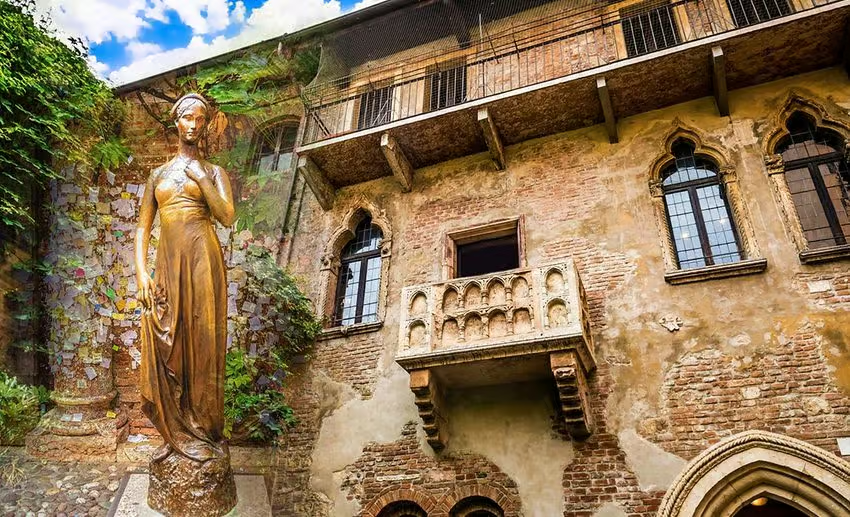
For some readers, understanding the author is only part of the appeal. They may be more interested in getting closer to the characters they have grown attached to, whether through a sense of familiarity, relatability, or simple admiration.
Like most art forms, books also offer a form of escapism. When real life feels a bit mundane or difficult, getting to escape into the pages of a literary work can be immensely valuable. For many readers, the connections they form with certain characters, their struggles, and their motivations are what make a story linger long after they have finished reading.
Though fictional, characters often inhabit recognisable real-world spaces, from bustling city streets to quiet countryside villages. Even entirely imagined settings may draw inspiration from actual landscapes, architecture, and communities. Having spent hours immersed in these fictional worlds, visiting the places that inspired them can feel like an opportunity to step into the pages of a book.
There is a special kind of intimacy in getting to see the shadows of a story in the places you visit.
Finding stories beyond the bestseller lists
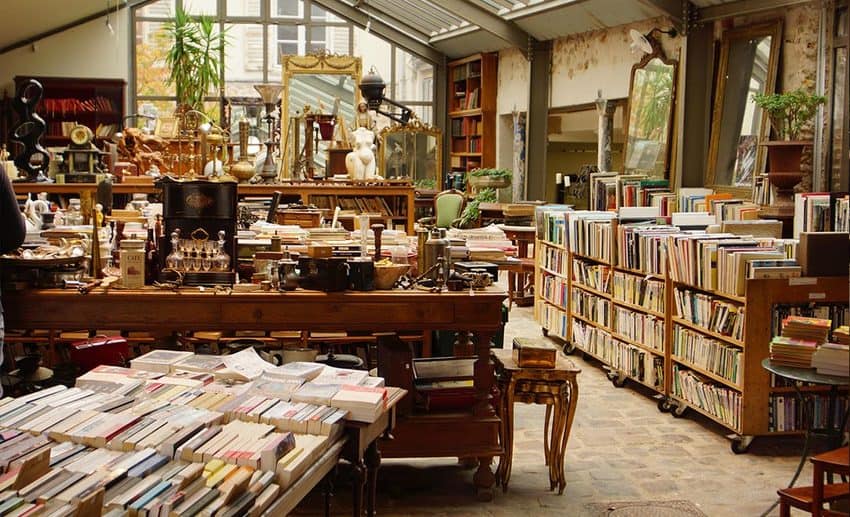
Growing to become voracious readers means developing an appetite for reading material that goes beyond the top-ten recommendations on every other list. That is why some literary travellers would rather set out on a mission to find obscure publications they can get their hands on.
For these readers, the joy extends beyond familiar bestsellers in local bookstore chains and celebrated works by authors who already enjoy international recognition.
Exploring these less familiar shelves can reveal more than an unexpected read. Local publications may reflect the histories, legends, interests, and everyday experiences of a community, opening up perspectives that are rarely represented in mainstream reading lists.
It is also worth engaging with local booksellers and librarians along the way. Not only might you discover a great new book, but you could also gain a fresh perspective on the local reading community. They may even have additional stories to tell about a publication, making the experience all the more immersive.
If you are even luckier, perhaps the obscure publication was written by someone from the local community whom you might be able to meet and have a memorable chat with. Wouldn’t that be quite a story of its own?
Finding community through literary festivals and events

For all the hours spent reading alone, literature is also a communal pursuit, which is how communities such as BookTok have come to thrive. Readers can interpret the same book differently, gravitate towards different themes, or find their own meanings in the same pages. Sharing these perspectives expands the world of a book beyond what any one reader might take away from it.
Festivals, author talks, and other gatherings give readers opportunities to meet people who share their interests. Examples in the region include the Ubud Writers & Readers Festival in Bali, Indonesia, and the George Town Literary Festival in Penang, Malaysia.
Bringing together readers, writers, publishers, and other literary enthusiasts creates space for conversations about shared interests. For travellers who rarely encounter such discussions in their everyday lives, these events provide an opportunity to immerse themselves in an environment where their interests are understood and appreciated.
There is also something appealing about meeting fellow enthusiasts who have travelled from different parts of the world, each bringing their own reading histories, cultural backgrounds, and interpretations to the table. A discussion about a single novel may evolve into an exchange about personal experiences, social issues, or how the same story resonates across cultures.
Letting literature shape the journey
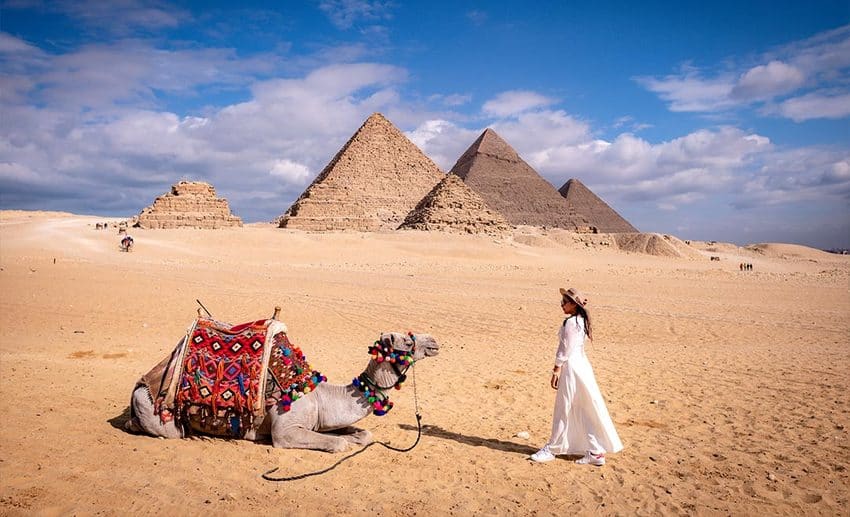
Travel has always offered opportunities to experience new places, but for some travellers, the appeal lies in finding something beyond the usual sightseeing itinerary. Rather than visiting a destination simply for its attractions, literary travellers may arrive with a different set of interests, whether that means exploring streets that inspired a favourite novel, visiting a historic bookshop, or trying a dish they first encountered in a story.
The influence of literature on travel can extend beyond destinations directly associated with a particular book. Reading about a character who works as an archaeologist, for example, might spark an interest in the profession and inspire someone to seek out a supervised archaeological volunteering experience while travelling.
A book can give us a reason to visit somewhere, but it can also change what we notice once we arrive. By following the stories that interest us, we may find ourselves looking beyond familiar attractions and discovering new ways to understand a place, its people, and ourselves.