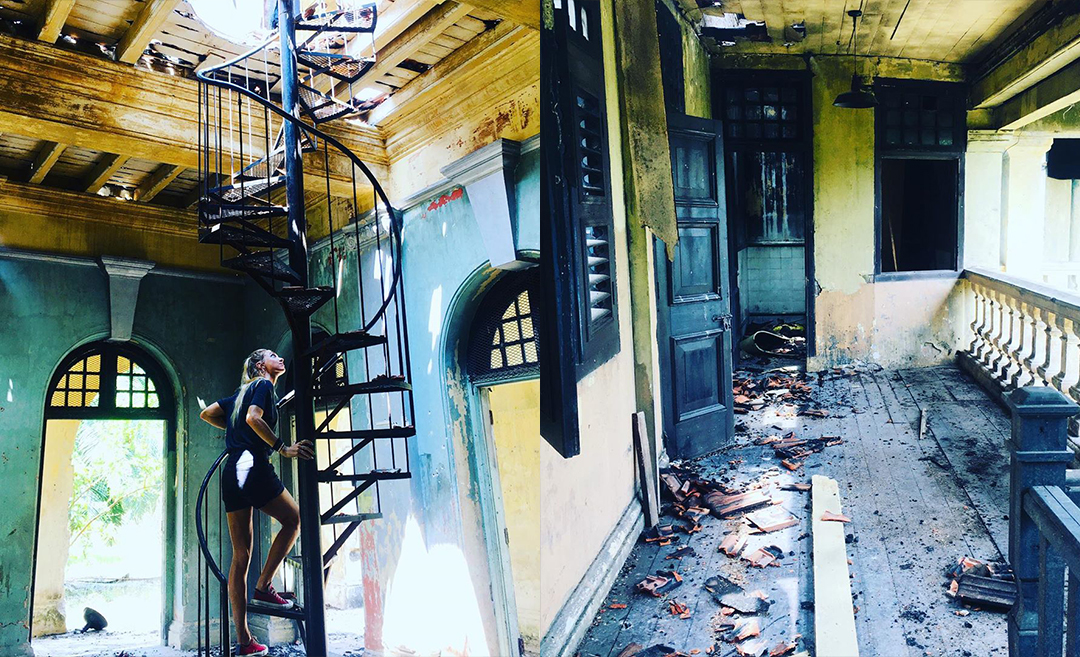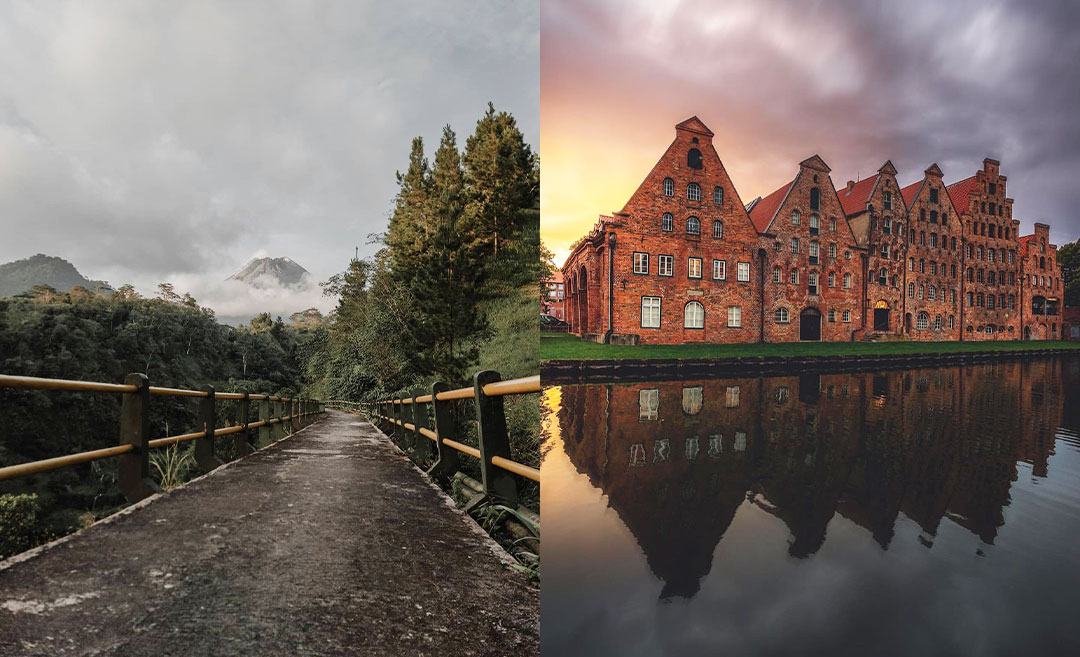
When travelling, we rarely think about the dark side—but it’s likely we’ve engaged in dark tourism one way or another before. (Image by Luis Aceves.)
For the uninitiated, the very mention of dark tourism may invoke a sense of dread one would rather not associate with the joys of travelling. Also known as thanatourism or morbid tourism, dark tourism involves visiting places associated with the less pleasant side of history and culture, such as war museums, memorials, disaster sites and even reputedly haunted places. Though an appropriate term was only coined in 1996 by Glasgow Caledonian University professors, John Lennon and Malcolm Foley, the concept has actually been around for ages.
Without being aware of it, you may have probably engaged in dark tourism to some extent when visiting museums, monuments, and certain heritage sites. Even if you typically travel for leisure, you may gain a deeper appreciation for a destination and its people by venturing into its dark side.
There is no better teacher than conflict and adversity
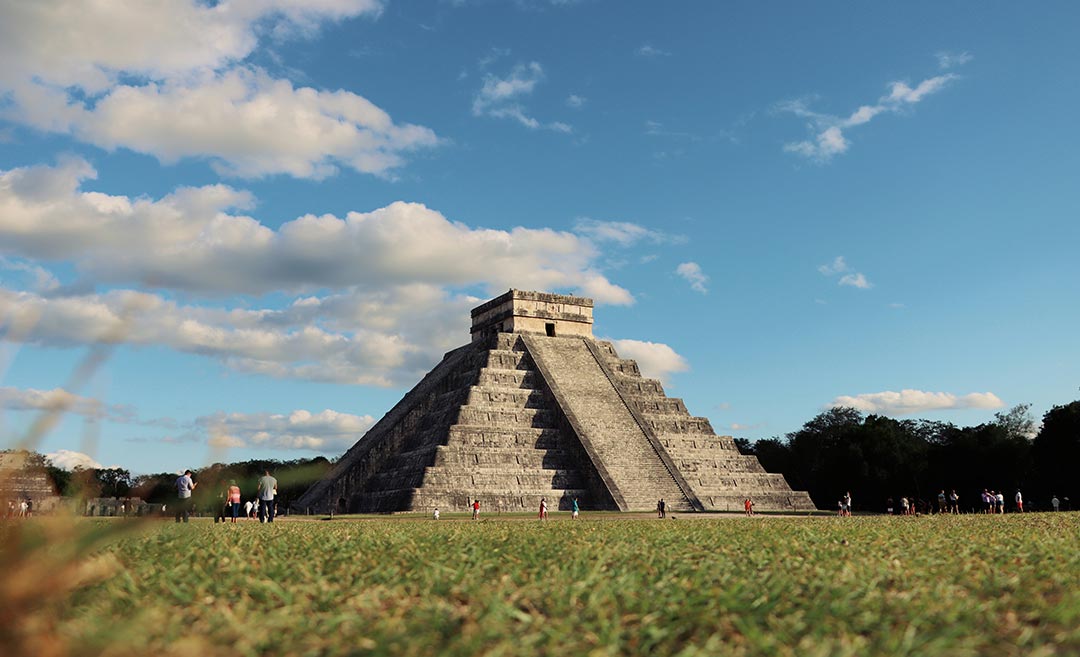
Ancient ruins such as the Mayan temple complex of Chichen Itza may be the remnants of a once glorious and thriving civilization, but it was also the site of countless human sacrifices carried out in the name of religion.
In Cambodia, the Tuol Sleng Genocide Museum in Phnom Penh and the Landmine Museum in Siem Reap commemorate a tragic period in a nation’s history. Like many war museums around the world, they are grim reminders of the cruelty humans are capable of inflicting on each other in the name of ideology.
Similarly, famous mausoleums and tombs, such as the Taj Mahal in India, the Mausoleum of the First Qin Emperor in China, and Ho Chi Minh’s Mausoleum in Vietnam, preserve the legacy of individuals who made their mark on history—for better or worse.
Learning history is rarely a comfortable process as the past is rife with cruelty, bloodshed, and unimaginable atrocities. Dark tourism requires us to confront the grim and unnerving parts of history in order to process the complexities of a culture. Visiting tourist attractions associated with past atrocities can prompt us to reflect on the consequences of human actions, ensuring its lessons are not forgotten and history doesn’t repeat itself.
More than just morbid curiosity
Death, tragedy, and suffering have always held an appeal in the collective imagination because we are often reminded of how fragile human life is. For instance, seeing the collection of bones lining the walls of the Sedlec Ossuary in Kutna Hora, Czechia, and the Paris Catacombs in France reminds us of our own mortality.
Meanwhile, the humid, claustrophobic, and hand-dug Cu Chi Tunnels in Vietnam offer a taste of the hardship soldiers went through during the Vietnam War.
Sites of natural disaster, such as the remains of those trapped in the city of Pompeii when the volcano Vesuvius erupted in 79 AD, humbles us to the fact that even the most prosperous civilisation is no match for the forces of Mother Nature.
These places are not simply meant to shock and unsettle; they make us aware of how impermanent and unpredictable life can be, thus encouraging us to live mindfully in the present and to be grateful for the brief span of time we have on earth.
Ethical considerations
Like any form of tourism that has become increasingly popular and lucrative, dark tourism has garnered its share of criticism. Some argue that it commodifies suffering and exploits tragedy, whereas its advocates consider this perspective oversimplifies and misrepresents the whole purpose of dark tourism.
Visiting places dedicated to tragic events has long been a part of tourism. Engaging in dark tourism can give us a different perspective on the past—one that focuses on the human cost of events rather than just the historical facts.
Nevertheless, travellers should always approach dark tourism destinations with sensitivity and respect, making sure your visit doesn’t infringe on the dignity of a place. This includes adhering to rules of conduct, proper dress codes, and restrictions on photography and filming a place may have. Be mindful and sensible too by avoiding ‘touristy’ actions that may be offensive and insensitive, such as taking goofy photos at a mausoleum like you would at a funfair, or leaning into sensationalism when posting about your experience on social media.
Dark tourism serves as a window into humanity’s past. When engaged with curiosity and respect, it can offer the inquisitive traveller profound opportunities for remembrance, reflection, and learning. So, don’t be afraid of exploring the dark side on your next trip. You may just find the understanding and connection to a culture you’ve been seeking.