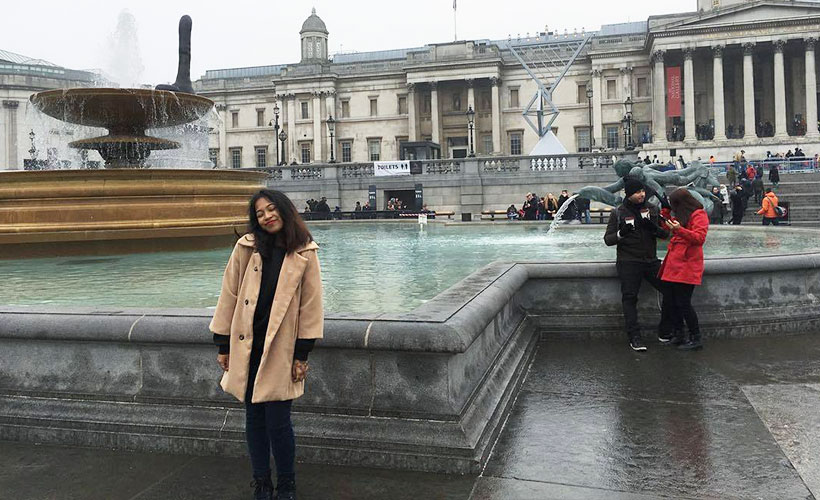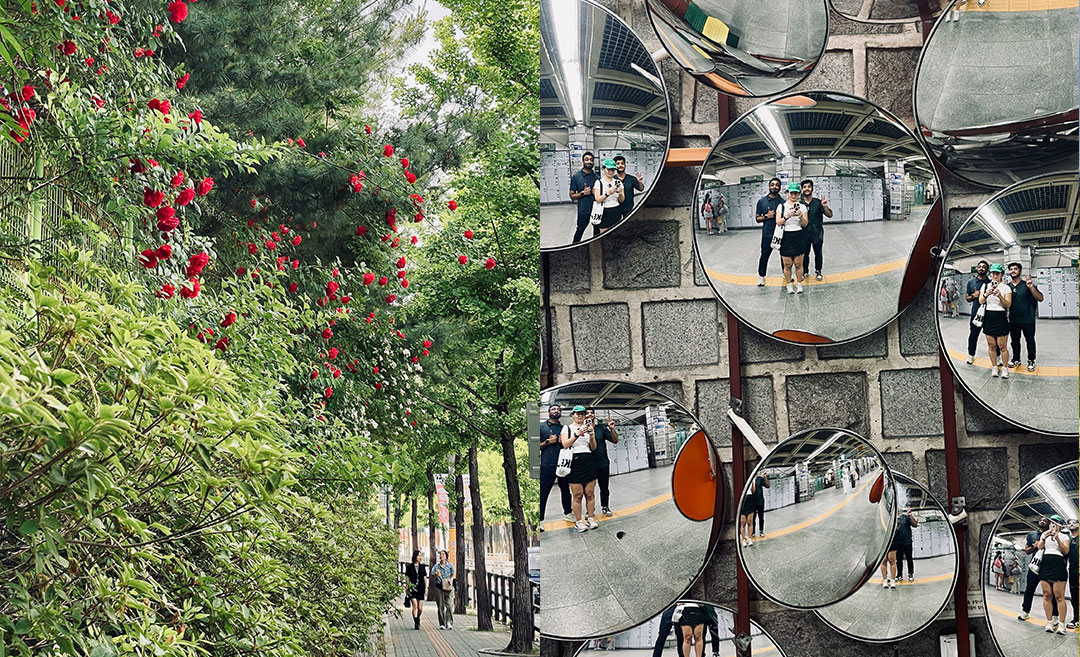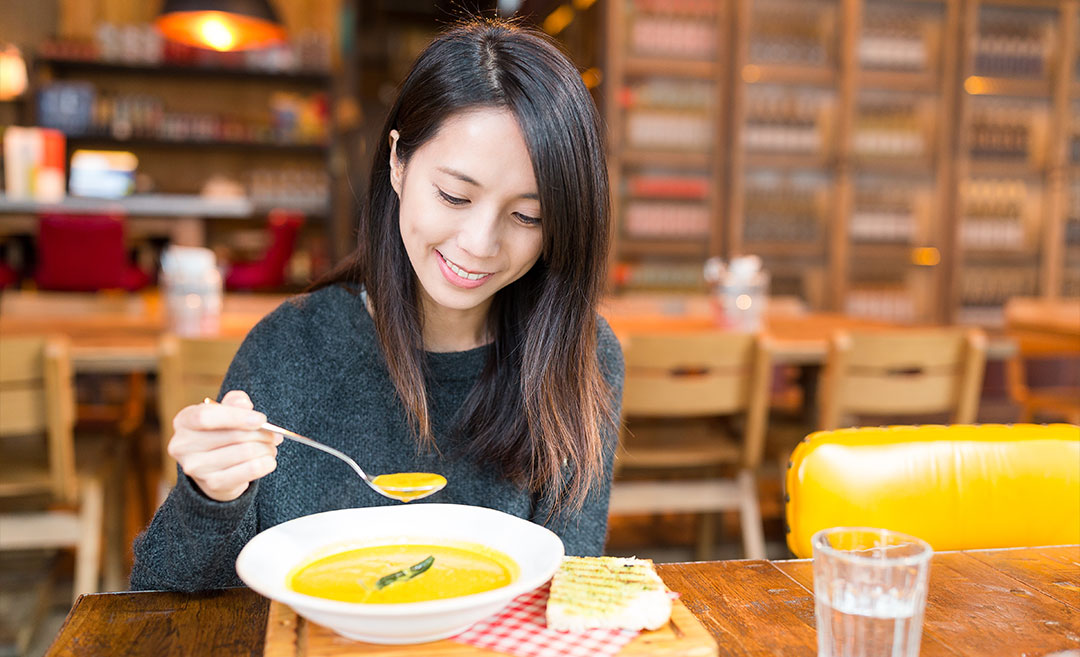
Learning to eat alone abroad felt awkward at first, but became a quiet solo travel habit that reshaped my confidence. (Image by Image by leungchopan)
The first time I ate alone abroad, it didn’t feel empowering or cinematic. It felt more like a slightly sad takeaway meal eaten on the edge of a hostel bed, watching something on my laptop just to fill the silence.
I grew up in Johor Bahru, where eating is seldom a solo activity. Family dinners, mamak breakfasts, late-night suppers… food is usually shared and stretched out. So sitting alone at a table in another country felt strangely exposed, even if no one was actually looking.
My time studying abroad changed that. There were days when batch mates were busy or still new enough that we weren’t quite friends yet. Eventually, the choice was simple: skip a proper meal or walk into a cafe and say, “Table for one.”
Somehow, those first couple of months, that sentence felt harder than navigating a train system in a language I barely understood.
Why eating alone feels harder than it should (at first)
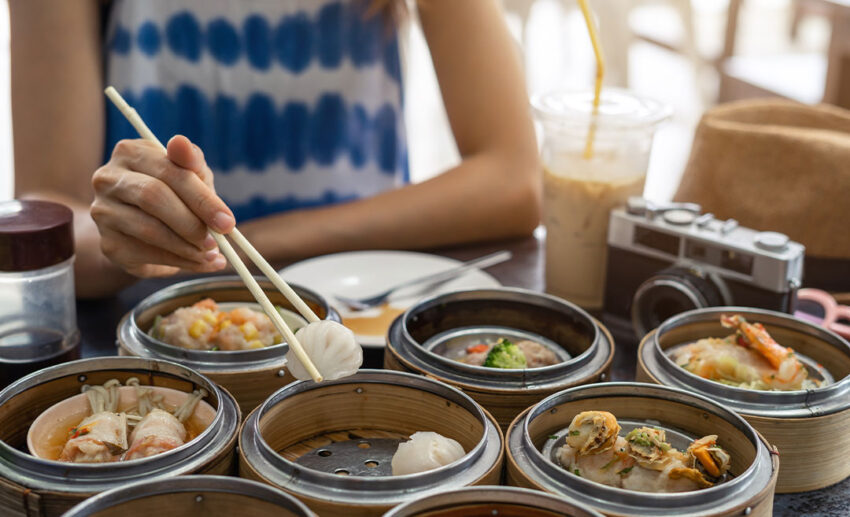
Meals are usually social by default. Back home, I rarely think of eating as something I do alone. It’s tied to catching up, sharing food, and filling time with people.
So when I sat alone in a restaurant overseas, I felt more visible than I probably was. Not because anyone was looking at me, but because I assumed they were. There was always that thought at the back of my mind: Do I look like I don’t belong here?
That feeling changed how I made decisions. I found myself choosing takeaway more often, or sticking to places that felt casual enough not to matter. Even when I got comfortable venturing a little further outside my university town, that small hesitation stayed with me.
How different places make it easier
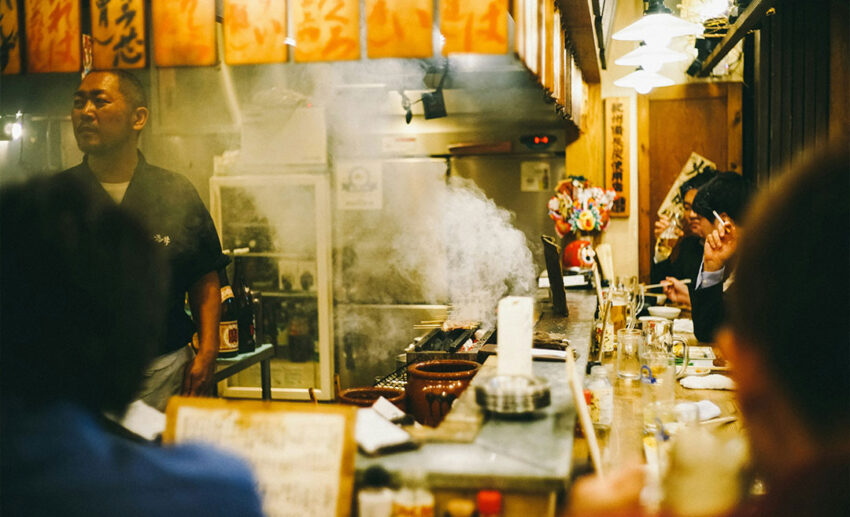
Eventually, naturally, out of forced repetition, it became easier. Later on, when I started solo travelling over semester breaks, what helped was realising that eating alone feels completely normal in some places.
Throughout South Korea, honbap (the practice of eating alone) culture is actually common. I remember sitting in restaurants where no one really looked up when someone walked in alone. There were counter seats, single tables, and spaces clearly designed for one person. I didn’t feel like I was doing something unusual. I just felt like another person eating between things.
In Japan, I felt it even more. I went into ramen shops and smaller eateries where everyone sat at counters, facing the wall or their food, not each other. I didn’t have to think about it. I just ordered, ate, and left. It felt efficient in a way I wasn’t used to, but also strangely calm.
In Lisbon, I spent a lot of time sitting alone in small cafes. I would sit with a coffee and a pastry, usually at a corner table or window seat. No one seemed to care whether I was alone or not. People lingered anyway, so being by myself didn’t feel out of place.
Madrid felt similar. I remember sitting at a bar counter in a tapas place, ordering small plates and just watching the room move. It didn’t feel like I was “dining alone”; it just felt like I was there.
Coming from Malaysia, I noticed the contrast more clearly. At hawker centres and kopitiams, I was used to sitting near strangers, which made being alone feel normal in one way. But at the same time, meals at home were still very group-oriented. Food was something you shared, not something you quietly did by yourself.
What changed when I stopped avoiding it
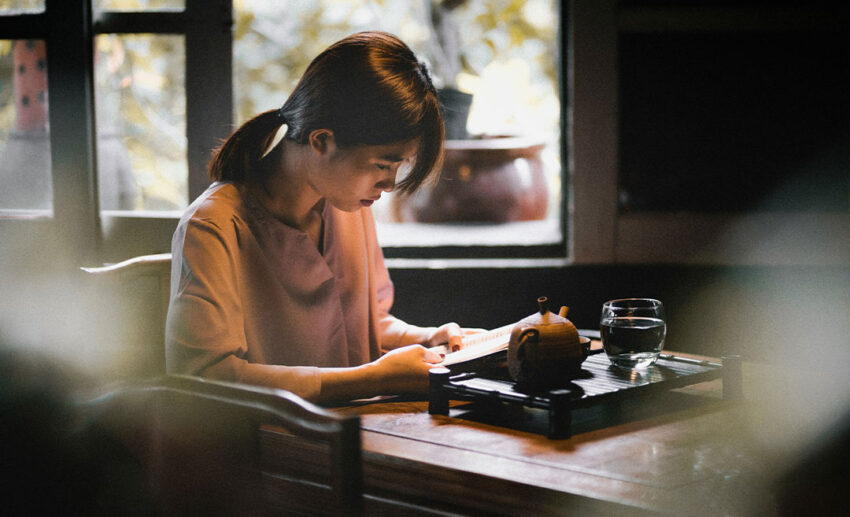
Over time, I stopped treating eating alone as something to get through. It just became part of how I moved through a city.
When I was alone, I noticed more. I paid attention to how people ordered, how fast they ate, and what they lingered over. I noticed small things I would have missed if I were talking the whole time, like the way an owner greeted regulars, or how the pace of a neighbourhood changed between lunch and dinner.
I also started planning my days differently. Instead of building everything around other people, I started eating when I was hungry, not when it was convenient for someone else. That sounds small, but it changed how flexible travel felt.
The confidence part no one really talks about
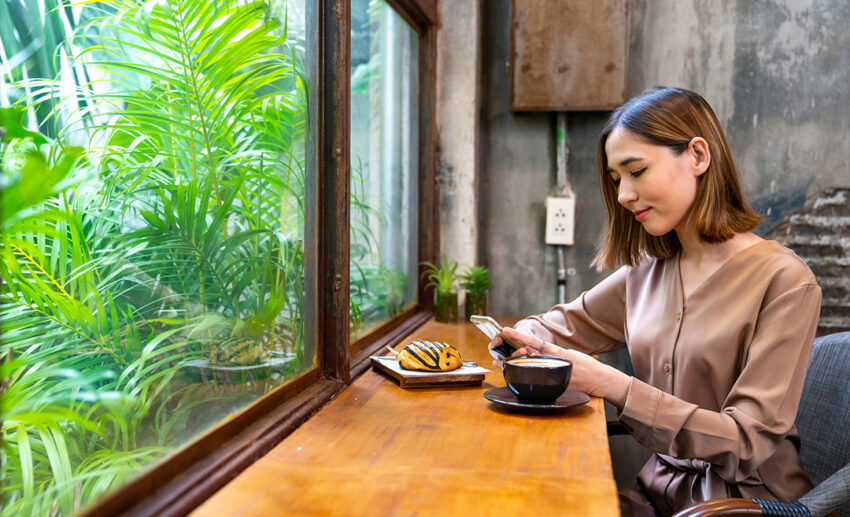
The confidence didn’t come all at once. It built slowly. The first few times I walked into a place alone, I was very aware of everything — my phone, my hands, where I was looking. I didn’t stay long. I just got through it.
But after enough repetition, it stopped feeling like a thing I was doing. It just became normal. I stopped thinking about how I looked and started focusing on what I was actually eating, or where I was sitting.
This carried into other parts of travel, too. I became more willing to go somewhere without overthinking it or change plans without needing everything to be coordinated.
A small habit that stayed
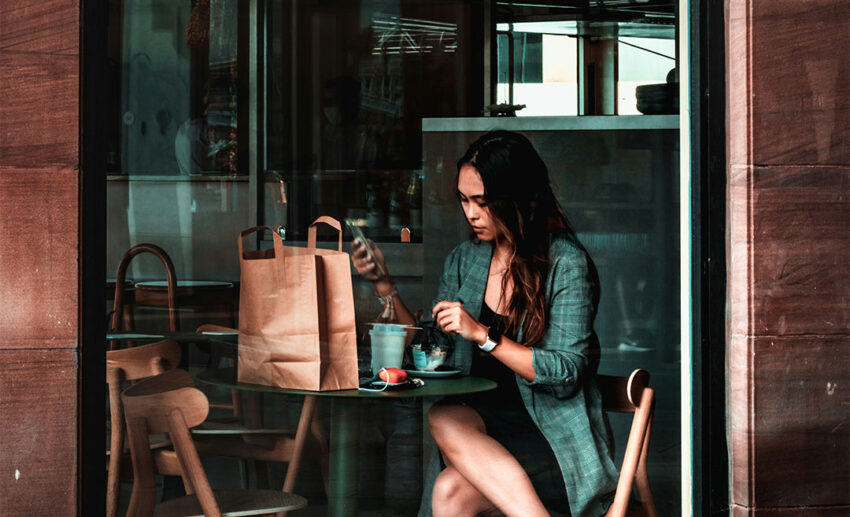
Now, even when I travel with friends, I still try to take at least one meal alone. Not because I need it, but because it resets the pace of a trip.
It’s usually something simple: a cafe stop, a quiet breakfast, a quick solo dinner before meeting everyone again.
And at home in Kuala Lumpur or Johor Bahru, it shows up in small ways too. Grabbing food alone without overthinking it. Sitting somewhere just because I feel like it. Not waiting for someone else to be free.
It’s a small thing, but it changes how travel feels. Not because it makes you independent in a large, dramatic sense, but because it removes one layer of hesitation from everyday decisions.
And once that layer is gone, cities feel a bit easier to move through.