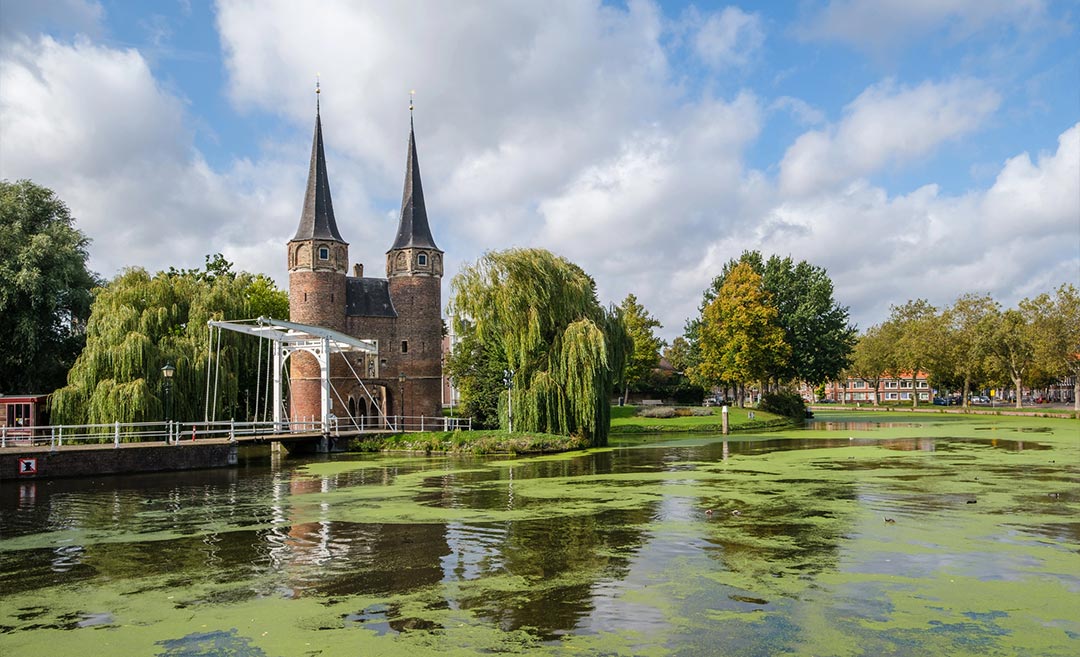
Delft’s Oostpoort, or East Gate, dating back to the 15th century, gives visitors a sense of the light that inspired Vermeer in his painting of the town. (Image by fotocorn)
I was aware of the 17th-century Dutch artist Johannes Vermeer and his paintings, which made masterful use of light. He lived and painted in Delft, a historic town in the Netherlands, famed for its canals and blue-and-white ceramics. As tempting as both sounded, there was never a plan to visit Delft until a strange turn of events occurred.
My KLM flight from Kuala Lumpur touched down in Amsterdam at dawn, and I planned to spend time exploring the largest city in the Netherlands before flying onward to southern France. The staff at the Schiphol Airport hotel desk were most helpful, but they explained that there was no accommodation available in the city due to a conference, something to do with plumbing products, if I heard correctly.
However, all was not lost. They suggested Delft, a canal-lined town less than an hour south of Amsterdam by train. They added that I could stay there and travel to Amsterdam during the day to explore its charm.
Although it wasn’t my original plan, a spontaneous detour took shape, and I soon found myself on a train to Delft, watching the sunrise illuminate the Dutch countryside.
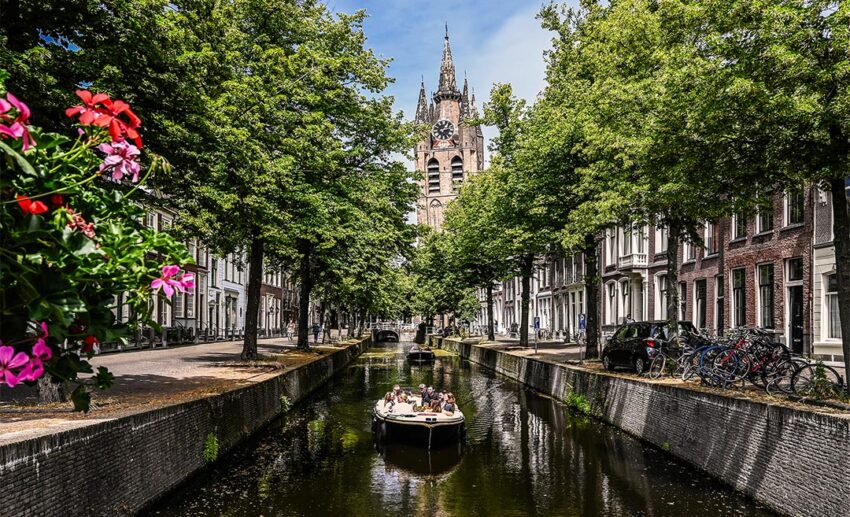
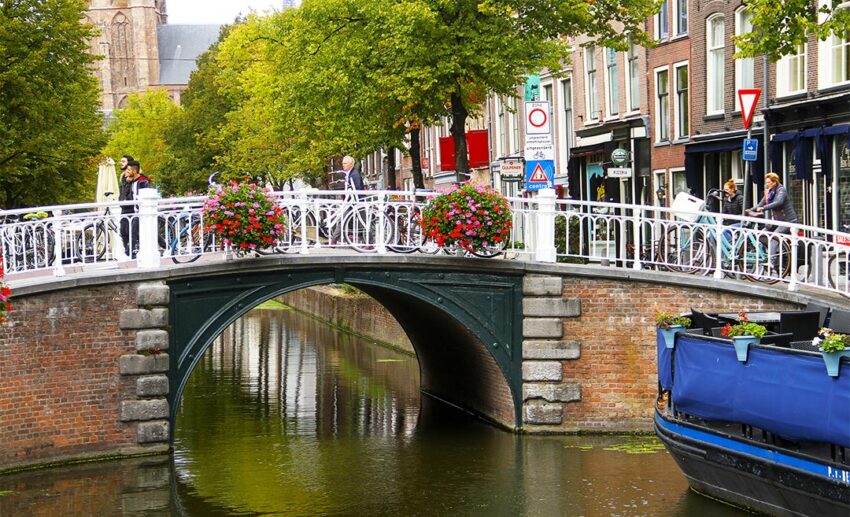
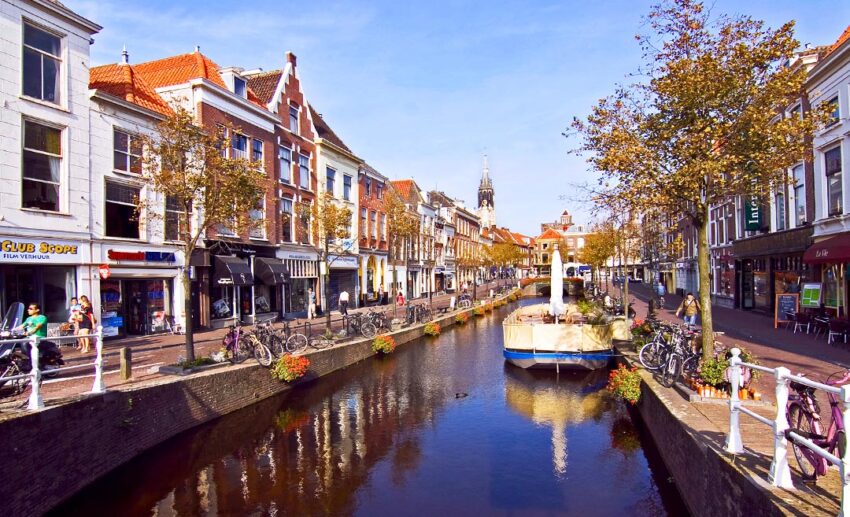
Within minutes of stepping outside Delft’s rail station, I was admiring a compact medieval grid of canals lined with quaint brick terrace houses. The city centre is defined by its network of ancient canals, and while they are narrower and less frenetic than those in Amsterdam, they still evoke the atmosphere of the larger city.
The vast Markt square anchors the old town. On one side stands the Renaissance Town Hall; on the other rises the Gothic bulk of the Nieuwe Kerk (New Church).
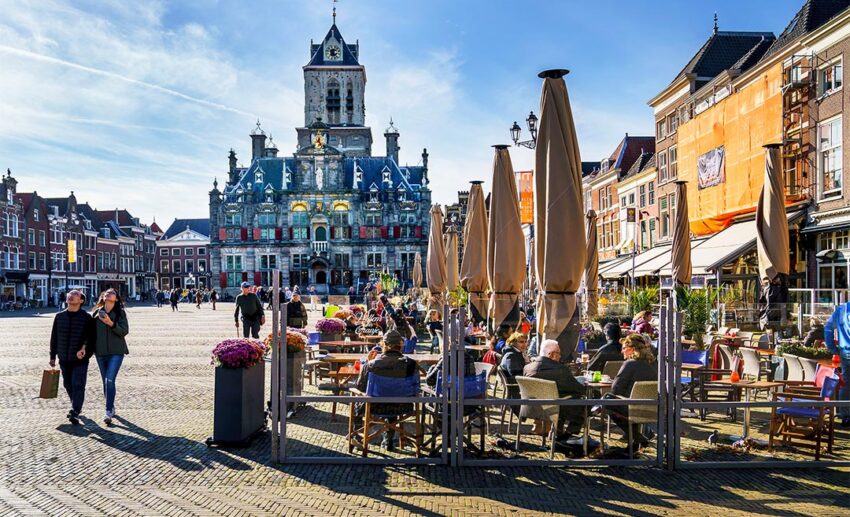
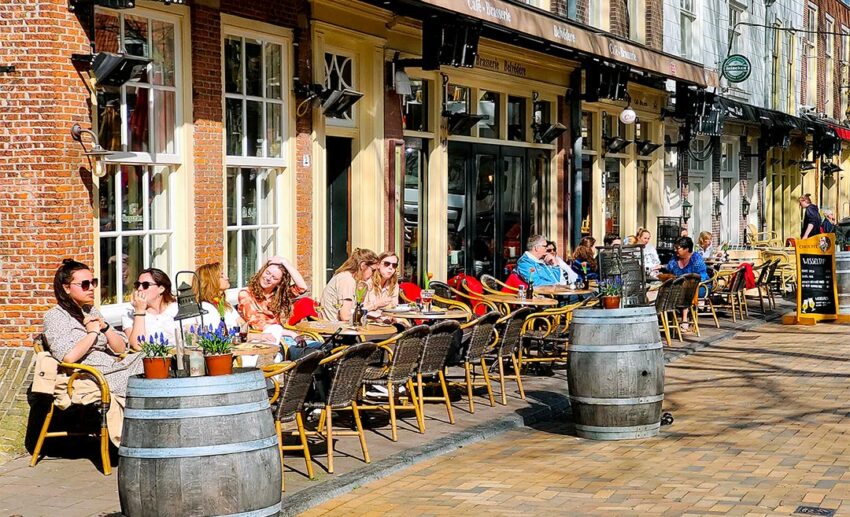
The open expanse is a popular place to gather for a drink or snack, and numerous souvenir shops line the square.
Walking along Oude Delft or Voorstraat at dusk, I noticed how the water holds the light and returns it softly to the brickwork. While canal cruises are possible, I was content to explore the old town on foot.
Inside Nieuwe Kerk lie members of the Dutch royal family, including William of Orange, whose assassination in Delft in 1584 bound the city to the national story. I climbed the tower and was rewarded with views of terracotta rooftops, canals, and church spires stretching toward *the nearby cities of The Hague and Rotterdam.
Vermeer’s Legacy
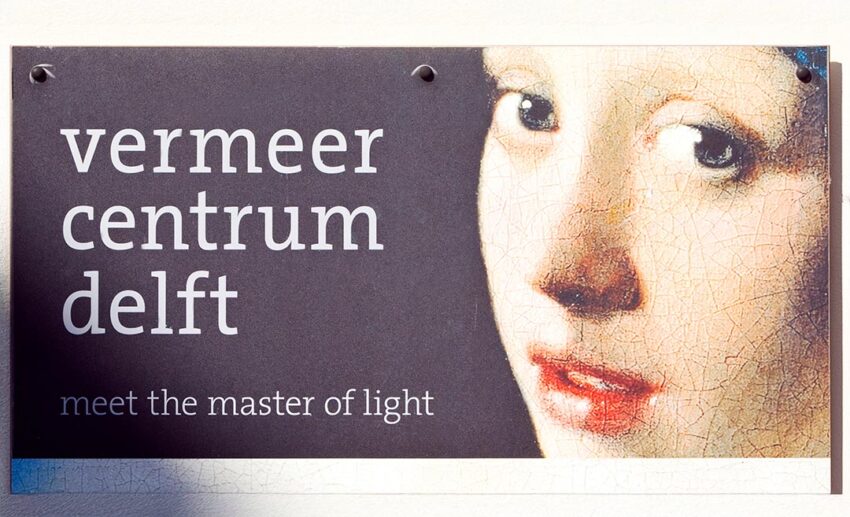
A short walk away, the leaning tower of the Oude Kerk (Old Church) tilts imperceptibly close to a canal. Delft’s most revered painter, Johannes Vermeer, is buried here. His connection to the city can be appreciated at the Vermeer Centrum Delft, where his techniques are explained through high-quality reproductions and informative displays. Even without any original paintings (his 1665 painting of the Woman with a Pearl Earring is on display in the nearby Mauritshuis Museum in The Hague), the centre in Delft draws attention to the master. Once I stepped outside, I became more aware of the way light reflected across the canal. It was easy to understand why Vermeer found inspiration here — Delft encourages you to notice details you might otherwise overlook.
Delft Ceramics
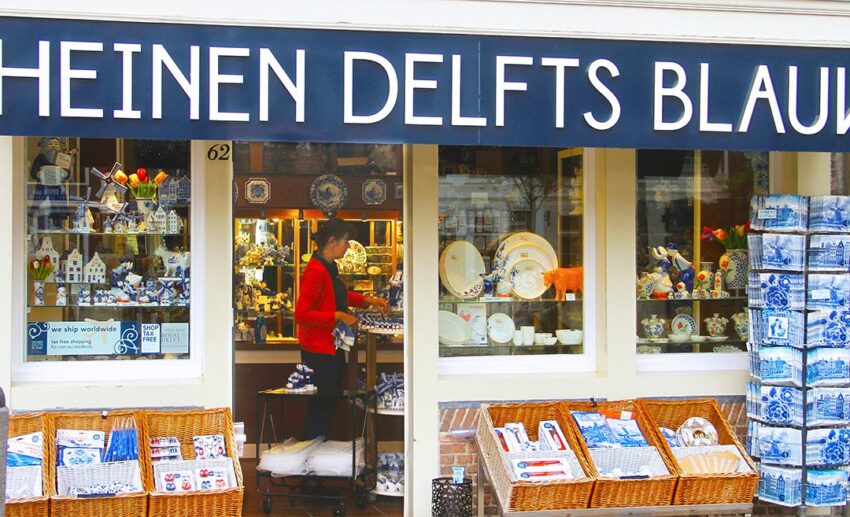
Delft is also famous for one of the Netherlands’ most recognisable exports. Royal Delft (De Koninklijke Porceleyne Fles), the last surviving seventeenth-century Delftware factory, continues to produce the famous hand-painted blue and white ceramics.

Founded in 1653, it was part of an industry that thrived on Europe’s eagerness for Chinese porcelain. Visitors to the centre can admire the studios where artists apply cobalt oxide by hand. These fine lines of grey material turn a brilliant blue after firing in high-temperature kilns. It is meticulous work, unhurried and exacting. The adjoining museum traces how Delftware moved from imitating Chinese techniques to its own distinctive identity. KLM business class passengers receive a Delft terrace house miniature as a lasting memento of their flight.
Where to Stay in Delft
My hotel of choice was ibis Styles Delft City Centre, just minutes from the rail station. The hotel was ideal and offered better value than staying in Amsterdam. Elsewhere in the town, canal-side boutique hotels and guesthouses dominate the accommodation on offer. Rooms tend to be compact but adequately appointed and often located in converted heritage buildings where beams and steep staircases are part of the deal. Staying within the centre of the old town allows you to enjoy the sights before and after the day-trippers arrive.
Cafes serve classical Dutch dishes alongside local beers. Order bitterballen (spicy meatballs) with mustard or fresh herring. Malaysians may enjoy rijsttafel (a “rice table” feast), a legacy of the Netherlands’ colonial Indonesian history.
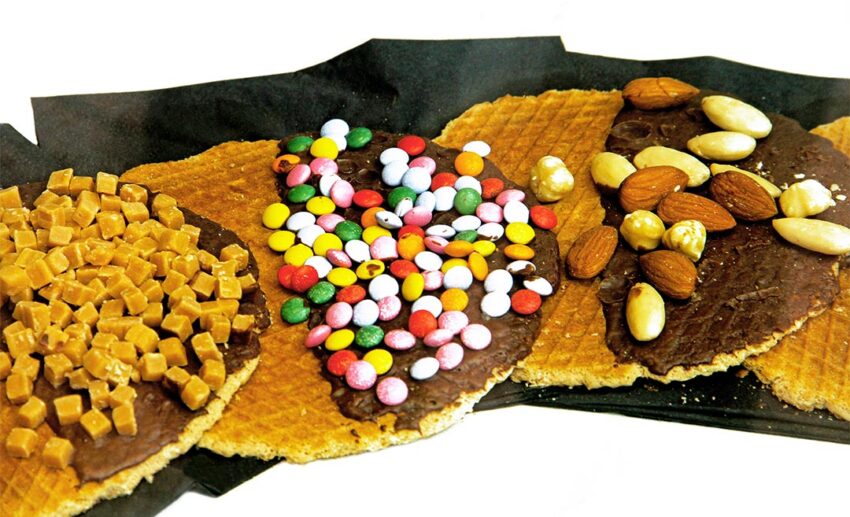
For something lighter, bakeries around Markt sell waffles (stroopwafels), cakes and pastries. Delft’s coffee culture is strong and unpretentious, while evenings lean towards relaxed dinners rather than late-night revelry.
Delft is also a city shaped by knowledge and education, and the presence of Delft University of Technology gives the town a youthful, vibrant, and reasonably exuberant nightlife. I was more than happy that the bar in my ibis Styles accommodation served tempting local beverages, including beer from the local Delfts Brouwhuis and locally produced Verbond Genever gin.
Delft covers a compact area and is rich in royal connections, the Golden Age of Dutch painters, and it has a rich heritage in ceramics. I discovered that Delft’s scale is one of its greatest virtues. It is small enough to navigate on foot and substantial enough to make you want to spend days here, becoming immersed in Dutch life in the town and nearby The Hague, Rotterdam, and Amsterdam.
Zafigo Guide: Practical Tips for Exploring Delft
Getting There
KLM Royal Dutch Airlines provides direct daily flights from Kuala Lumpur to Amsterdam. Schiphol Airport is a regional hub for KLM, with connecting flights all over Europe.

Getting Around
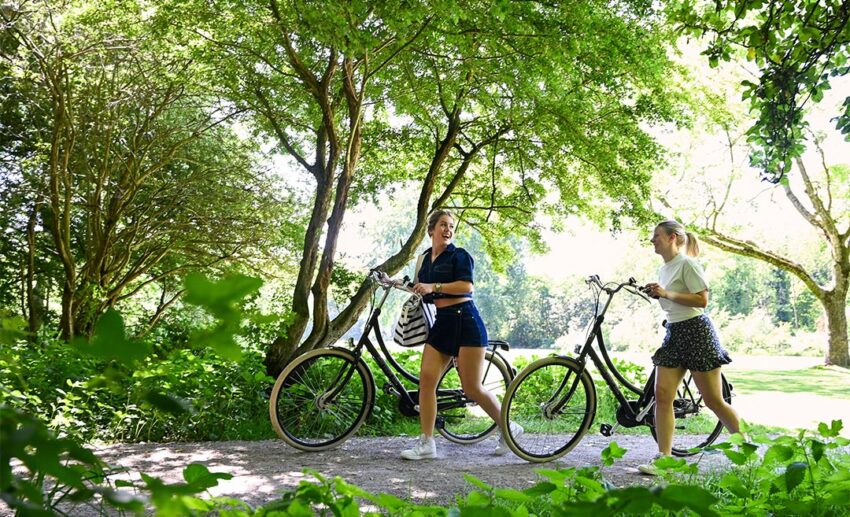
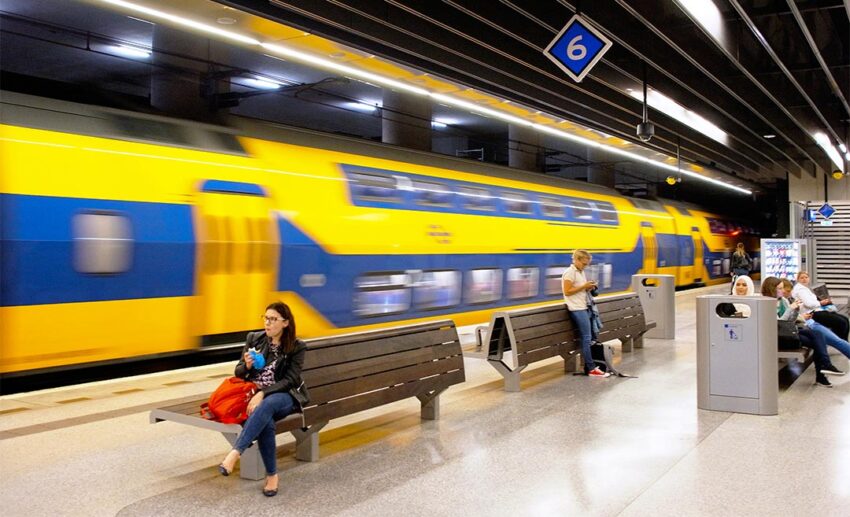
Frequent train services operate to Delft, less than one hour to the south, and tickets are obtainable from machines at Schiphol Airport. The historic town centre is a ten-minute walk from Delft train station. Delft is ideal for exploring on foot, although bicycles are available for those who wish to travel beyond the city centre.
Where to Stay
ibis Styles Delft City Centre, a comfortable three-star hotel near the train station.
General Tips for Women Travellers
- If you plan on visiting the Vermeer Centrum, Royal Delft, and the churches, check if the Museumkaart (the Dutch national museum pass) is worth it for your trip duration. Even for a short stay, it often pays for itself by the third stop and lets you skip the ticket queues.
- Delft is a city of historic klinkers (brick pavements) and narrow canal paths. Leave the heels in your suitcase. A pair of stylish, water-resistant loafers or Chelsea boots will serve you better for the long walks along Oude Delft without sacrificing your aesthetic. If you’re staying in a boutique guesthouse, consider a sturdy backpack or a very lightweight carry-on to make the stroll to your hotel more graceful.
- While Royal Delft is the gold standard for hand-painted porcelain, it comes with a premium price tag. For a more budget-friendly yet still authentic memory, look for Delft wit (plain white Delftware) in local antique shops. It has the same historic silhouette but without the cobalt price point.
- The tap water in Delft is some of the highest quality in Europe. Instead of buying bottled water, carry a reusable bottle. You’ll find water fountains near the Markt, allowing you to stay hydrated while keeping the canals plastic-free.
- If you’re travelling solo, the cafes lining the Markt square are incredibly welcoming. Look for the Leestafel (reading table) in many Dutch cafes—it’s a communal table stocked with newspapers where sitting alone is the local norm, not an anomaly.
- If your visit falls on a Saturday, don’t miss the Antiekmarkt (antique market) along the canals. It’s a treasure trove of vintage postcards, silver, and curiosities that feel far more personal than the souvenir shops on the main square.