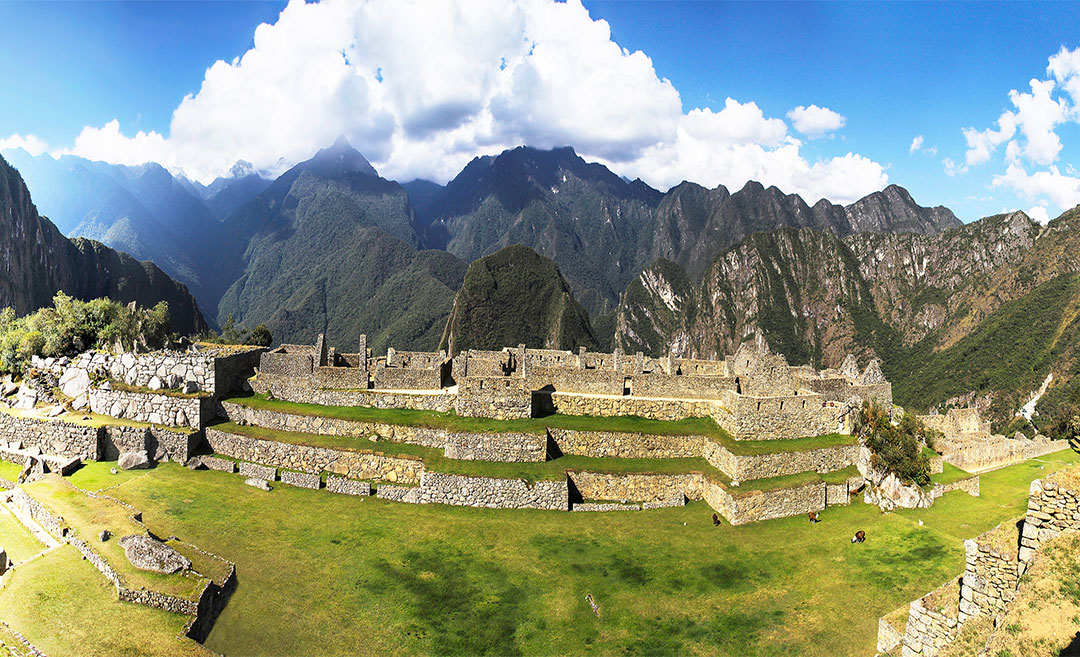
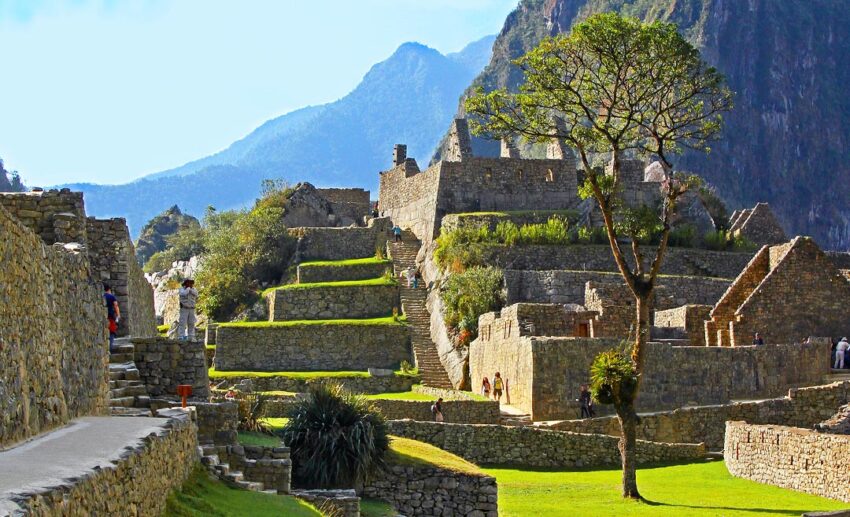
The UNESCO World Heritage Site of Machu Picchu is the main reason for travelling to Peru. (Image by David Bowden)
No one will fly all the way to Peru and not travel to the country’s Inca heartland. While the capital city, Lima, fascinated me, I soon realised the real stars in the Peruvian travel galaxy are Cusco and the archaeological site of Machu Picchu.
There are several ways to reach this UNESCO wonder, with Cusco serving as the main gateway. My interest in the famous archaeological site was nurtured years ago, and after reading about the Hiram Bingham luxury train that travels through the Sacred Valley, I was convinced this was to be my preferred slow travel experience.
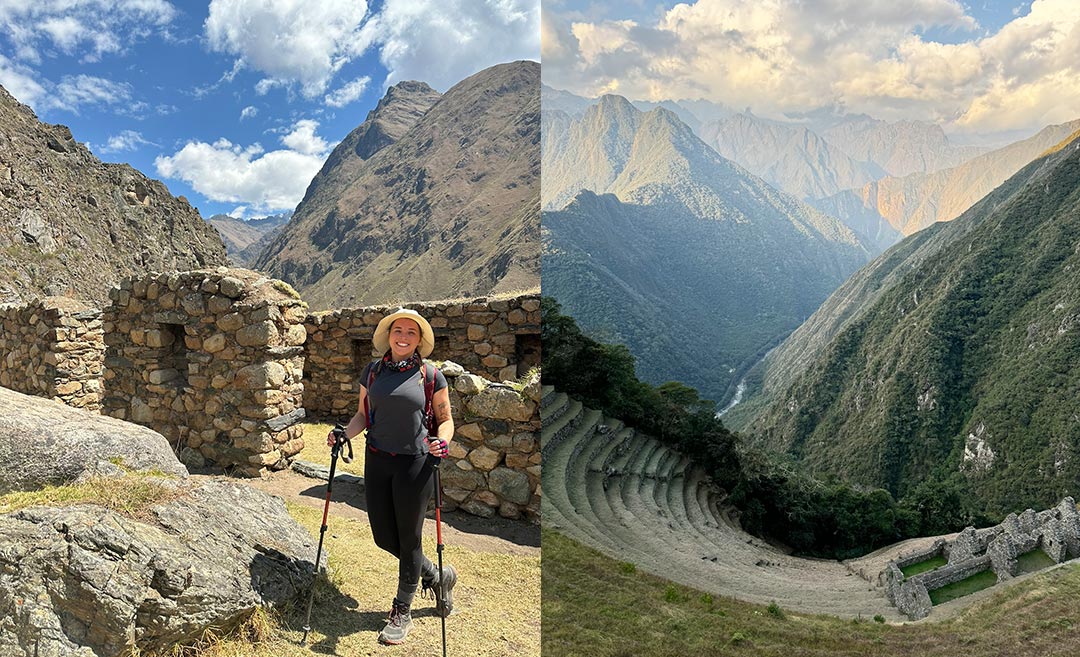
I flew from Lima to Cusco, perched in the Andes Mountains at 3,399 m above sea level (for comparison, Mount Kinabalu stands at 4,095 m). While climbing Malaysia’s highest peak isn’t easy, when I conquered it, I had no issues with my breathing, but within minutes of arriving in Cusco, I was gasping for air. My guide called it el soroche (altitude sickness) and said it occurs when people ascend too quickly. He reassured me that we would tour Cusco at a slower pace.
After two days exploring the city, I boarded the train for my day trip to Machu Picchu. Adventurous travellers may prefer the multi-day Inca Trail, but this was a different kind of experience altogether.
A Golden Era on Rails
Trains operate from Cusco/Poroy through the Sacred Valley en route to Machu Picchu, and the Hiram Bingham offers incredible luxury. The train is named after the American explorer who ‘discovered’ the lost Inca citadel of Machu Picchu in 1911. To say it was ‘lost’ is misleading, as Peruvians continuously visited the site over the centuries.
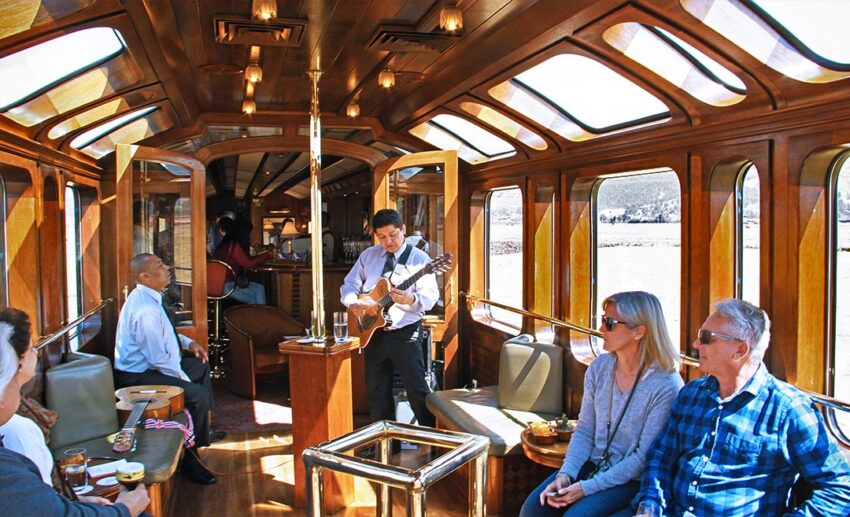
With just 85 guests onboard, train passengers are unhurried in the luxurious train carriages, liveried in blue and gold and furnished in 1920s Pullman style. Each carriage is decorated in polished wooden panels and brass finishing, with large seats and ample space to stretch out.
An observation car, offering an open space in which to admire the view, is located at the rear of the train. The two dining carriages are beautifully set out with gleaming crystal and polished cutlery. Multi-course meals are a highlight of the journeys to and from the sacred site.
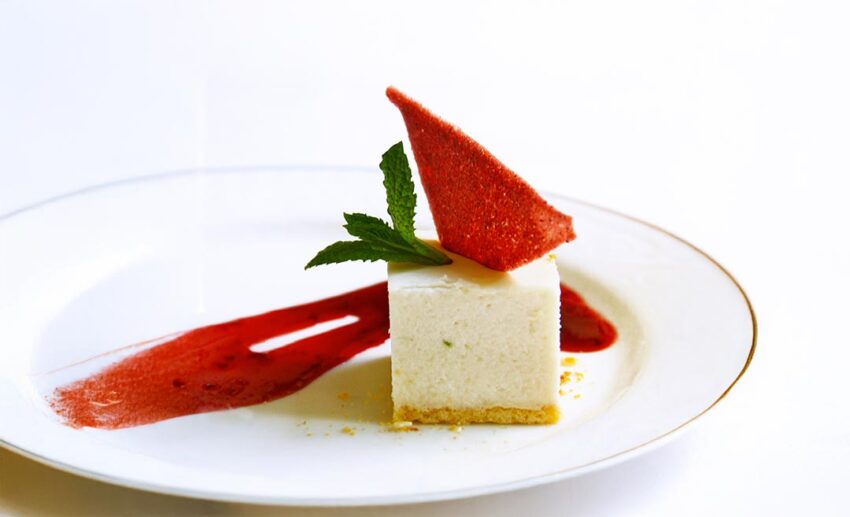
South American wines, including lesser-seen Peruvian wines, and Pisco Sour, the national cocktail, accompany each dish. During both journeys, the bar staff invite passengers to learn how to make a traditional Pisco Sour.

The bar car is the perfect place to enjoy a Pisco Sour and experience live Peruvian music courtesy of the on-board band.
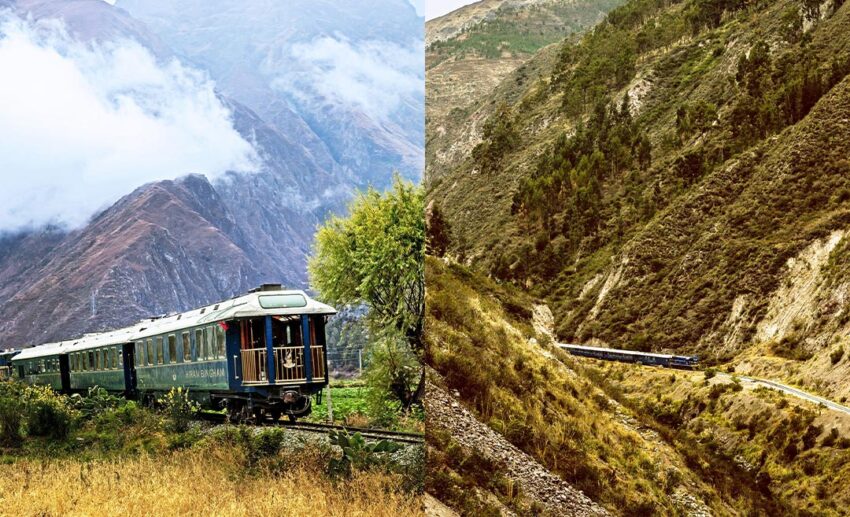
Meanwhile, the train winds past soaring Andean mountains and the rushing waters of the Urubamba River.
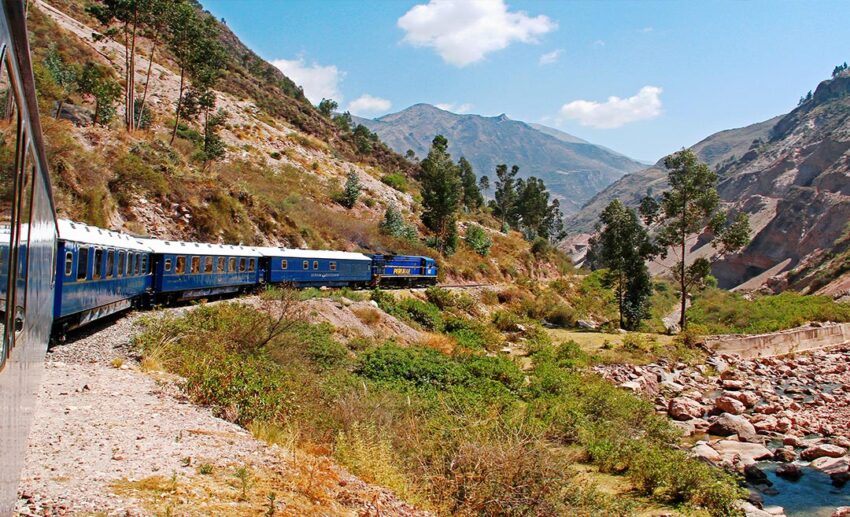
The Hiram Bingham passes through picturesque scenery on its journey from Cusco to Machu Picchu. (Image by David Bowden) 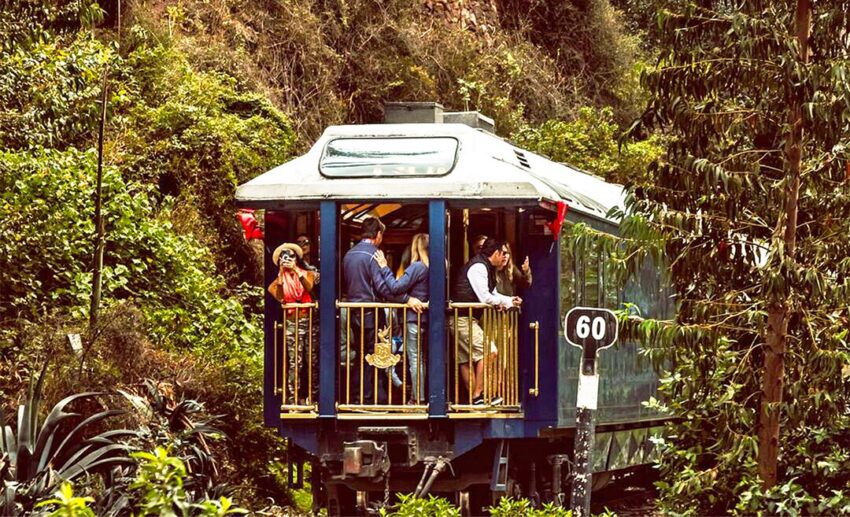
The Hiram Bingham passes through picturesque scenery on its journey from Cusco to Machu Picchu. (Image provided by Belmond)
Stepping into the Sacred Citadel
Upon arrival at Aguas Calientes, private minibuses transfer passengers up the steep slope to Machu Picchu. I was astonished by the sheer scale of the ancient site and wondered how it could have escaped the attention of so many people for so long.
We had about three hours to explore the site, partly on a guided small group walk, and the rest to explore on my own. Our guide succinctly recounted the history of this Inca settlement. Intrepid Indiana Jones explorers could spend days here, but I didn’t feel disappointed in the few hours allocated.
Afternoon tea was then served at the Belmond Sanctuary Lodge at the entrance to the citadel. The ideal tour for budding archaeologists would be to stay at the lodge, thus gaining access to Machu Picchu at 6 am before visitor numbers reach their maximum (the site closes at 5.30 pm).
Several other options are also possible after exploring the ancient site. While I chose to travel to and from Machu Picchu in one day on the Hiram Bingham, others stayed at the lodge, and others alighted on the way back at Ollantaytambo to explore the archaeological site here the next day. A cheaper alternative is to return to Cusco on the PeruRail train.
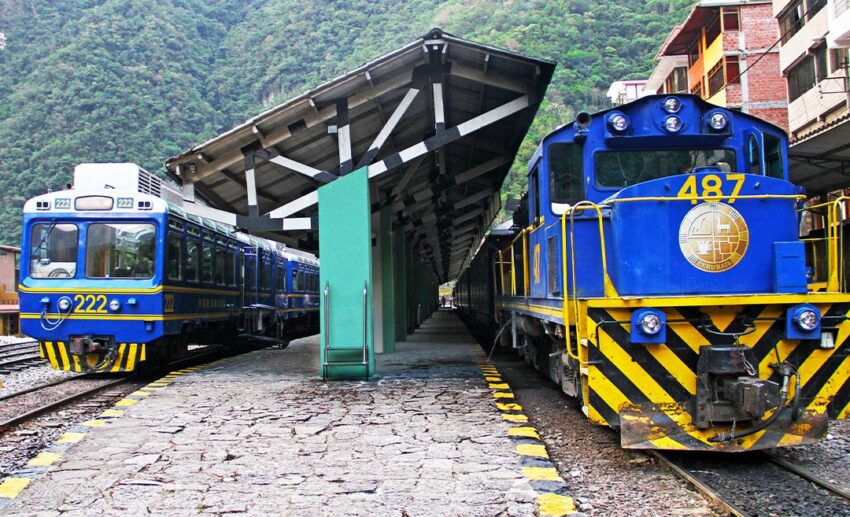
At 5 pm, we departed the lodge for the bus journey to the station for the train’s 6 pm departure. With the return journey mostly done in the dark, the focus was on the food and beverages. The train pulled into Cusco/Poroy at 9:15 pm to end a long but exhilarating day.
Terraces and Temples of Ollantaytambo
It is possible to visit the beautiful village of Ollantaytambo in the Sacred Valley beside the Urubamba River. Here, the ancient temple complex called The Fortress awaits. While I didn’t alight from the train, I visited here a few days later by road and can highly recommend a side journey into the Sacred Valley.
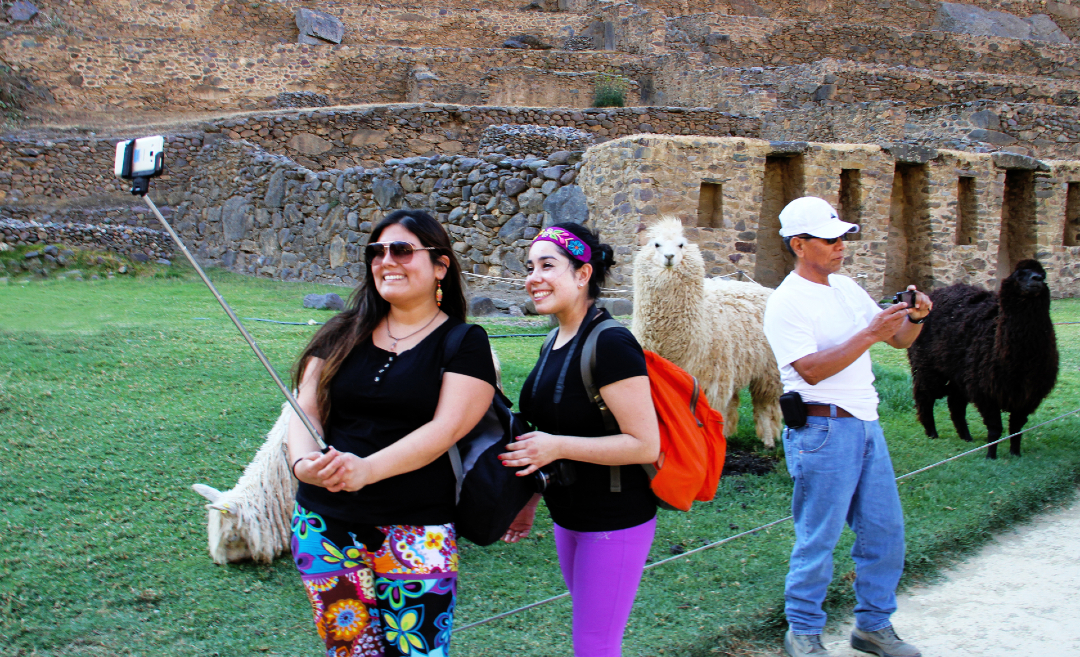
The Inca ruins of Ollantaytambo rise steeply from the valley to resemble rice terraces. In what is an amazing engineering feat, massive stone blocks make up the jigsaw of terrace walls on Temple Hill. Archaeologists claim this terraced irrigation system enabled sophisticated crop cultivation and a well-ordered town that is one of Peru’s oldest.
Rich alluvial soil, favourable weather, and water from the Urubamba River create ideal conditions for farming in the Sacred Valley. Hundreds of varieties of corn and potatoes grow in Peru, and most thrive in the valley.
Managing Altitude with Intention
It’s worth making note of what the Peruvians call el soroche (altitude sickness), as it could affect the quality of your holiday. El soroche results in a shortage of breath and headaches, so visitors need to slow down and rest regularly. For serious cases, the only solution is to relocate to a lower altitude. To avoid this, some tourists start their journey in the Sacred Valley (2,400 m), then Machu Picchu (2,430 m) and end in Cusco (3,399 m). Being a bit gung-ho, I did it in reverse but took my time exploring Cusco.
There are two distinct seasons at Machu Picchu—the rainy season (November to March) and the dry season (April to October), with the latter being the best time to visit.
Zafigo Guide: The Empowered Andean Traveller
Getting There
There are no direct flights from Kuala Lumpur to Peru, so travellers must transit en route, with the connection offered by KLM being convenient. KLM has daily flights from Kuala Lumpur via Amsterdam. The journey takes about 30 hours unless you have a stopover in the Netherlands. There are domestic flights from Lima to Cusco.
Where to Stay
Luxury: For an uncompromising high-end experience, Belmond offers a seamless journey through Peru with iconic stays at Miraflores Park (Lima) and Palacio Nazarenas (Cusco). In the Sacred Valley, Rio Sagrado provides a tranquil riverside retreat, while the Sanctuary Lodge sits at the very gates of Machu Picchu, offering unparalleled access and views.
Mid-range: For a mix of comfort and local charm, try El Mercurio Hotel or Casa Andina Standard Cusco. In the Sacred Valley, Tambo del Inka and Hotel Honorata offer riverside serenity, while Inkaterra Machu Picchu Pueblo Hotel provides a cloud forest sanctuary in Aguas Calientes.
Budget: Wild Rover and Loki Hostel Cusco are perfect for those seeking a lively, social atmosphere. For a more central stay in Aguas Calientes, Supertramp Hostel and Machu Picchu Hostel are both within easy walking distance of the train station, markets, and trails.
Resources for the Journey
Hiram Bingham & Belmond Hotels: Visit www.belmond.com to book the iconic Hiram Bingham train or luxury stays. Note that Belmond trains operate on Tuesday, Wednesday, and Thursday, with the journey taking just over three hours.
PeruRail: For a dependable and budget-friendly rail alternative through the Andes, explore the routes and schedules at www.perurail.com.
A2A Safaris: Seek expert, bespoke Peru travel advice and curated itineraries at www.a2asafaris.com.
Tourism Peru: For comprehensive destination guides, cultural insights, and official travel updates, visit www.peru.travel.
Visas
Malaysians receive 90-day visa-free entry (passport valid 6+ months required).
Non-Malaysians: Check your visa requirements via the official Peruvian Immigration website or the iVisa.com visa checker tool. Most nationalities get 90-183 days visa-free; some require e-visas. Always verify 3 months before travel.
General Tips for Women Travellers
The “first 48” rule: As noted in the article, el soroche is real. For women travelling solo or in groups, book a hotel in Cusco that offers supplemental oxygen in the rooms. Spend your first 48 hours doing “low-energy luxury” (think long lunches and spa treatments) before attempting the steep Inca stairs.
The coca leaf ritual: Embrace the local culture by trying Coca tea or chewing the leaves. It’s a centuries-old remedy that is part of the identity-led travel experience in the Andes.
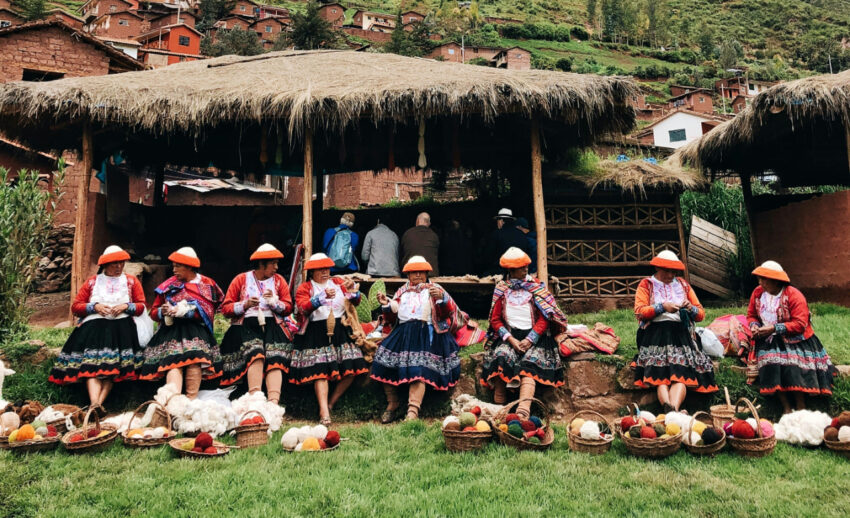
Style meets function: The 1920s Pullman style of the train invites a bit of glamour, but the weather at Machu Picchu is unpredictable. A chic, oversized alpaca wool wrap (bought locally in Cusco) is the perfect slow fashion piece that keeps you warm on the train and looks regal in photos at the citadel.
Booking with purpose: Choosing the Hiram Bingham often supports local conservation and heritage projects in the Sacred Valley. It’s luxury travel that gives back to the preservation of the very site you are visiting.