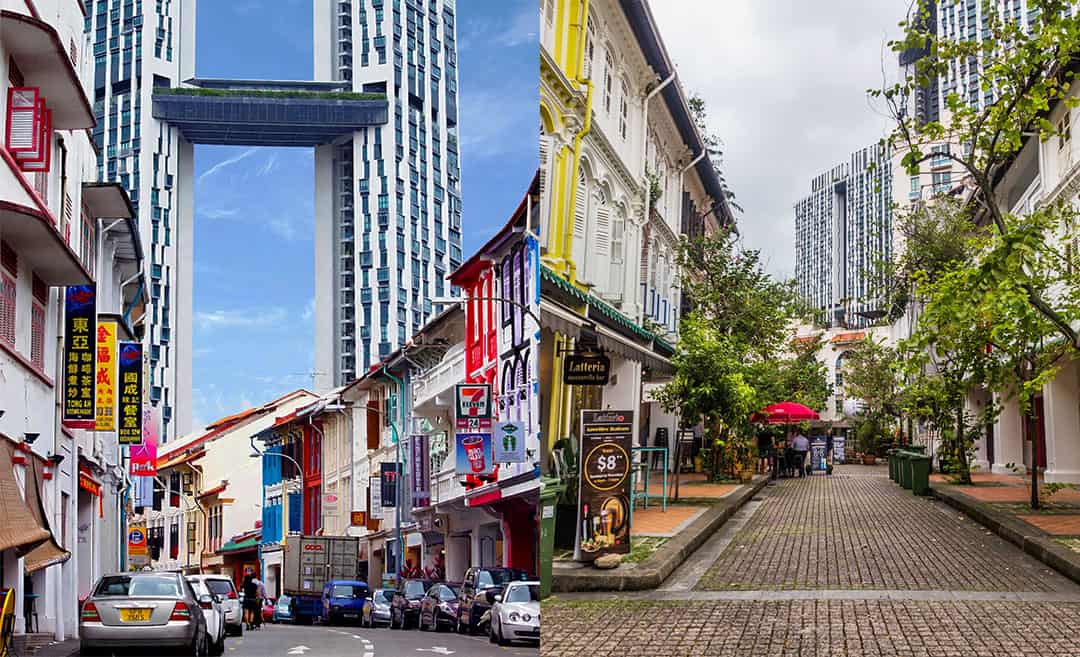
Set in Singapore’s Tanjong Pagar, walkable Duxton Hill blends conserved Straits Chinese shophouses, independent bookshops, hawker fare, and late-night bars. (Left image by David Bowden; Right image by mathes)
As a topographical feature, Duxton Hill is easy to miss on a map of Singapore, as it barely registers as a ‘hill’. Despite this, few places on the island state compress so much history into such a compact area. Its layered history, which once included a nutmeg plantation, a rickshaw depot, and Straits Chinese mansions, now welcomes visitors with an eclectic range of restaurants, boutique hotels, bars, and cocktail lounges.
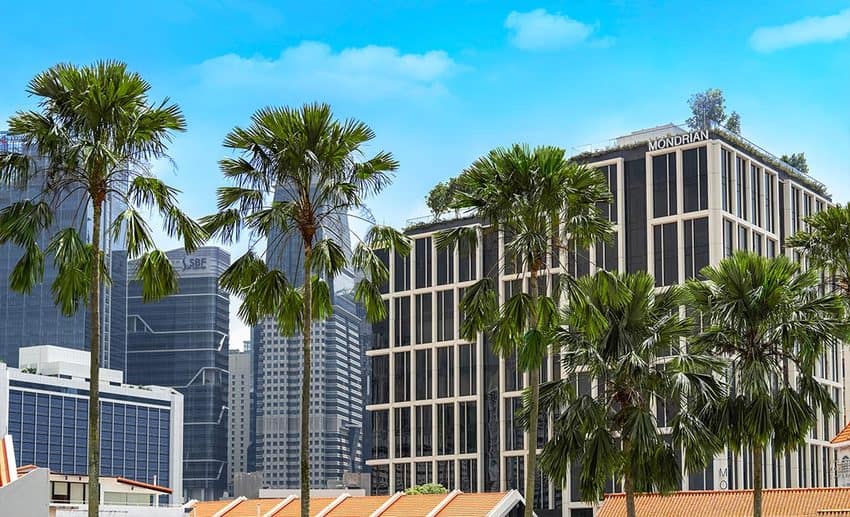
On my last Singapore visit, I decided to take a closer look at this historic neighbourhood, choosing the well-located Mondrian Singapore Duxton as my base. Sitting within the Duxton Hill precinct, the hotel made a convenient starting point for exploring its heritage streets, independent shops, and dining establishments.
From nutmeg plantation to historic shophouses
Duxton Hill’s story began with spices. During Singapore’s colonial era, spices such as nutmeg and mace were valuable commodities. European nations had been importing spices from Asia for several centuries before Singapore was settled. They were highly prized by European cooks, and the trade from present-day Indonesia was particularly lucrative. Over time, entrepreneurs sought new lands in Asia to cultivate them.

Undulating land around Chinatown once supported hundreds of nutmeg trees that thrived on a 13-ha estate. The plantation was established by Dr William Montgomerie, who arrived in Singapore in 1819 as a government surgeon. He built two houses, Duxton House and Craig Hill, on the estate, thus giving Duxton Hill its name. When he died in 1856, the estate was subdivided and sold as smaller lots for houses and traditional shophouses.
Duxton Hill’s next chapter was considerably less tranquil. For several decades, the area was notorious for brothels, gambling dens, and overcrowded slums. Jinrickshaw Station, near the intersection of Neil Road and Tanjong Pagar Road, served thousands of rickshaw pullers, many of whom had arrived from Shanghai. Rickshaws provided an important means of transportation around Singapore’s downtown precincts until motorised transport gradually replaced them after the Second World War.
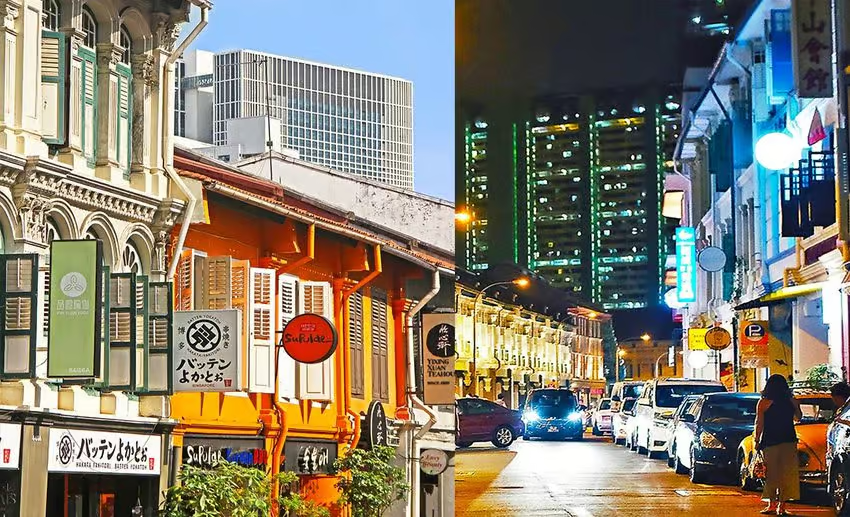
Being close to the Singapore River and at the heart of the commercial district, Duxton Hill eventually attracted wealthy Straits Chinese families, who built the elegant two- and three-storey shophouses that still line its narrow streets. Many of these buildings are now protected as part of the Tanjong Pagar Conservation Area, although their interiors have been repurposed.
A shophouse that once served as a clan home or print shop might now accommodate a wine bar, restaurant, or kaiseki (Japanese dining) counter. This blend of old architecture and contemporary businesses is part of what makes the neighbourhood interesting to explore.
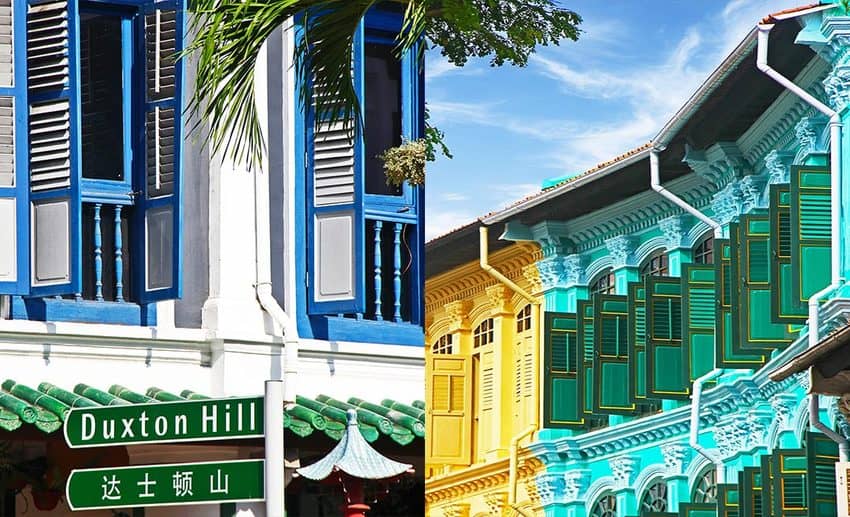
Most of the old houses have been renovated, with their façades retaining the architectural character of Singapore’s glorious past. Meticulous attention to detail ensures that the conservation streetscape remains relatively cohesive.
Several establishments that caught my attention were the independent bookshops dotted around the neighbourhood. Littered with Books (20 Duxton Road) has a curated collection with an emphasis on Singapore and Singaporean authors. The Book Bar (57 Duxton Road) combines books, coffee, and conversation, while Grassroots Book Room (25 Bukit Pasoh Road) has a particular emphasis on Chinese-language books. Those interested in Korean literature can also visit Bommoi (61A Maxwell Road), another independent bookshop in the surrounding area.
Temples, heritage, and street art around Duxton Hill
Duxton Hill is relatively compact and can be explored on foot, with gentle slopes and short walks between many of the precinct’s highlights. Its surrounding streets also contain places of worship and cultural landmarks that reflect Singapore’s multicultural heritage.
Two notable temples in the wider neighbourhood are Sri Layan Sithi Vinayagar Temple, associated with the Chettiar community, and the Buddha Tooth Relic Temple in neighbouring Chinatown. The former is dedicated to Lord Ganesha and reflects the longstanding presence of the Tamil community in Singapore. The latter is a dramatic Tang-inspired Buddhist temple that claims to house a tooth relic of the Buddha.
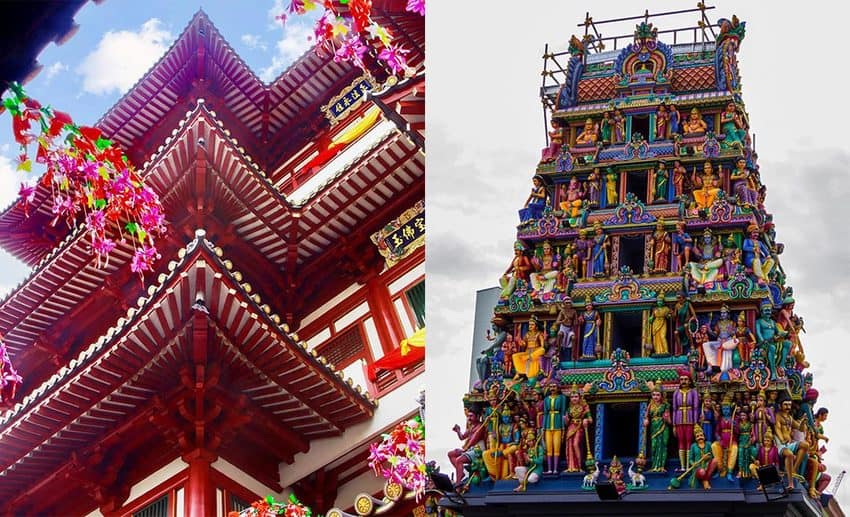
As you explore, look out for the heritage markers that explain the history of some older buildings. Several expansive walls also feature street art, adding colour to the otherwise traditional streetscape. Not all the installations are serious, with some interpreting the neighbourhood’s history through humour.
Eating your way around Duxton Hill and Tanjong Pagar
Maxwell Food Centre on Maxwell Road is a thriving hawker centre, particularly during lunchtime. In a city where eating out can be expensive, hawker centres remain a good-value option for visitors. Popular dishes include chicken rice, curry puffs, nasi lemak, and cendol, with halal and non-halal stalls operating alongside one another.
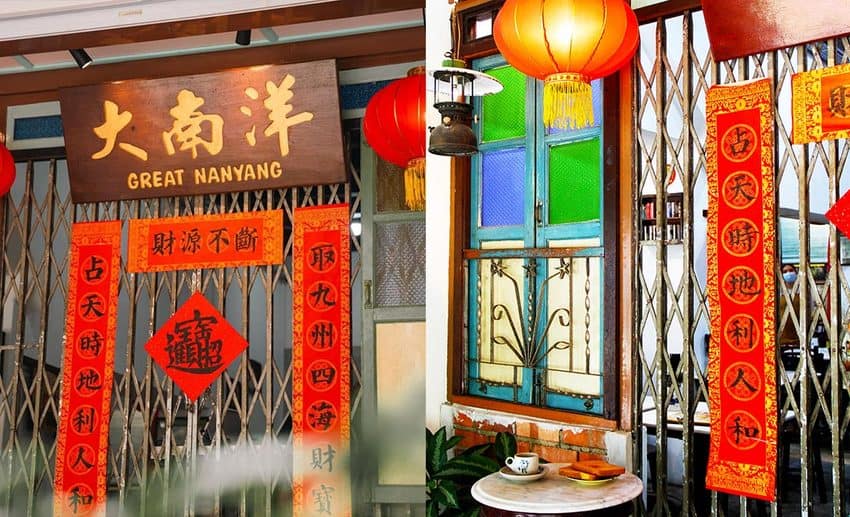
The surrounding streets have also developed a diverse dining scene, with establishments serving everything from local favourites to international cuisine. For a taste of traditional Singaporean coffee-shop culture, Great Nanyang Café serves kopitiam favourites such as kaya toast, soft-boiled eggs, and strong local coffee.
Duxton Hill after dark: Restaurants and cocktail bars
Come evening, the neighbourhood takes on a different character. Many of its conserved shophouses house restaurants, wine bars, and cocktail lounges, with some establishments staying open late into the night. The concentration of dining and drinking spots makes Duxton Hill and the surrounding Tanjong Pagar area a popular choice for an evening out.
Ma Cuisine on Craig Road, housed in a classic shophouse, is known for its French cuisine and Burgundian wine selection. Chef and co-owner Mathieu Escoffier also cooks in Beaune. t has attained a Michelin star and serves a four- or seven-course carte blanche menu. Other establishments in the wider neighbourhood include Club Rangoon, Yellow Spot, Firebird by Suetomi, Noa by Olivia, Pastaria Abate, Dill, and Coucou.
Jigger & Pony, located at Amara Singapore, is another well-known cocktail destination. The bar has received international recognition for its carefully crafted drinks and takes its name from the double-coned measuring tool used by bartenders. Precision in preparing classic cocktails is a hallmark of its approach.
For something different, RPM Music Lounge by D Bespoke on Duxton Road pairs drinks with vinyl records. Shochu is a focus here, with tasting flights for newcomers, alongside whisky and cocktails. Both the record collection and the bar are thoughtfully curated.
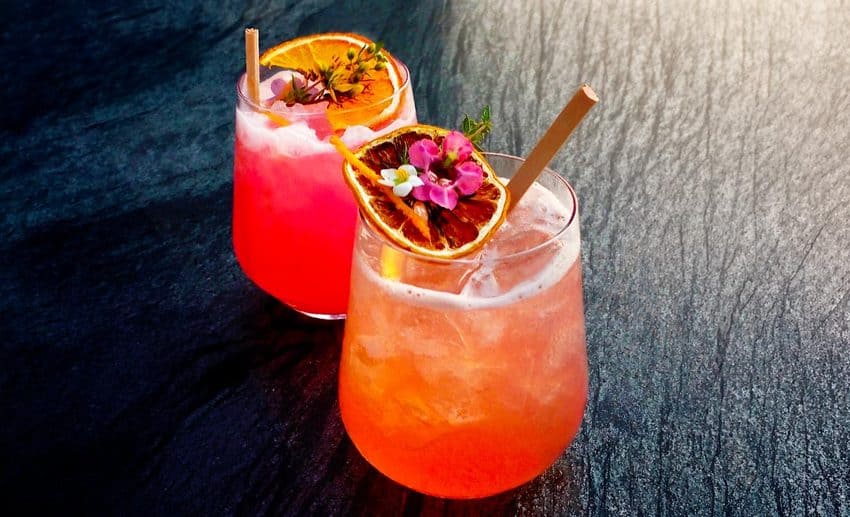
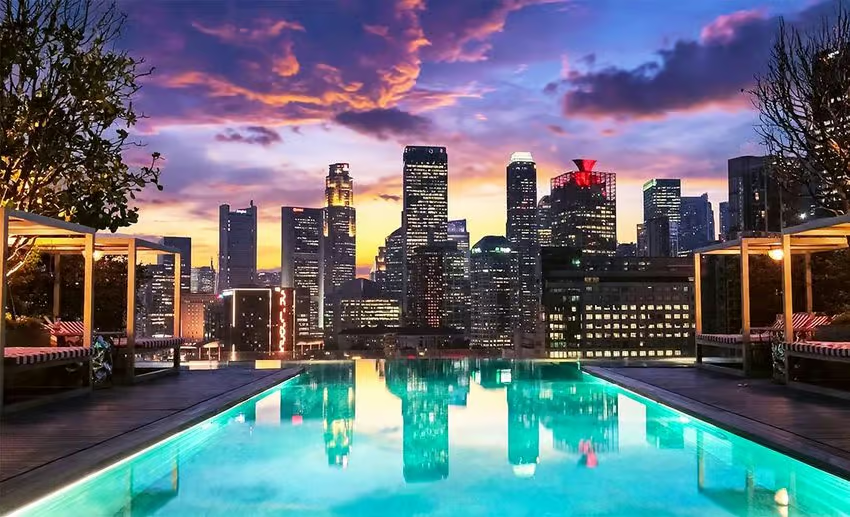
There is also plenty to enjoy without leaving Mondrian Singapore Duxton. Canyon Club, the hotel’s rooftop pool bar, does 1960s West Coast glamour with dramatic views of the city skyline. Californian-inspired plates, Aperol spritz, craft beers and chilled Moscato keep poolside guests refreshed.
Jungle Ballroom, meanwhile, is Mondarian’s lush, nocturnal hideaway where tropical mystique meets contemporary styling. Drinks that draw on Southeast Asian flavours.
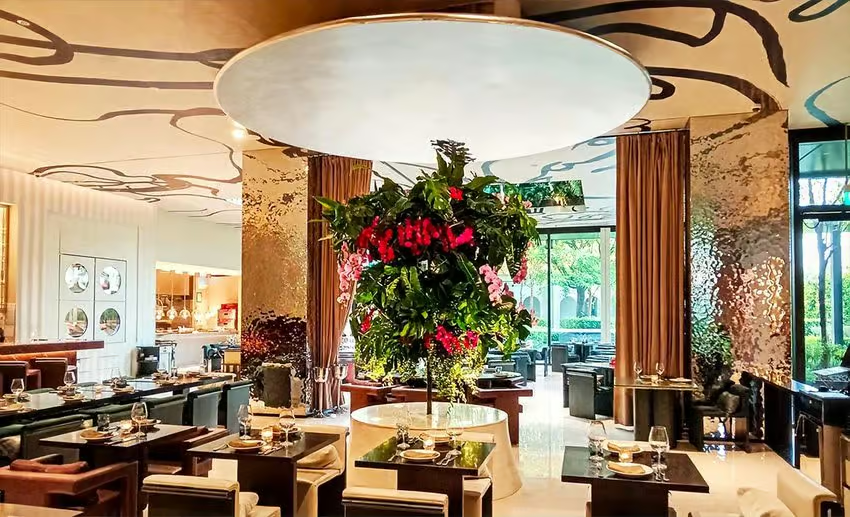
Bottega di Carna on Level 3 is the hotel’s Italian dining establishment. Its menu is curated by acclaimed Tuscan butcher, now restaurateur Dario Cecchini. Many diners order shared plates, especially signature dishes such as the 200-day grain-fed Angus tomahawk and the bistecca alla Fiorentina.
Where heritage meets contemporary art
A slow walk around Duxton Hill also reveals details that might otherwise be missed. Look out for heritage signs, colourful street art, and playful installations on the walls of older buildings.
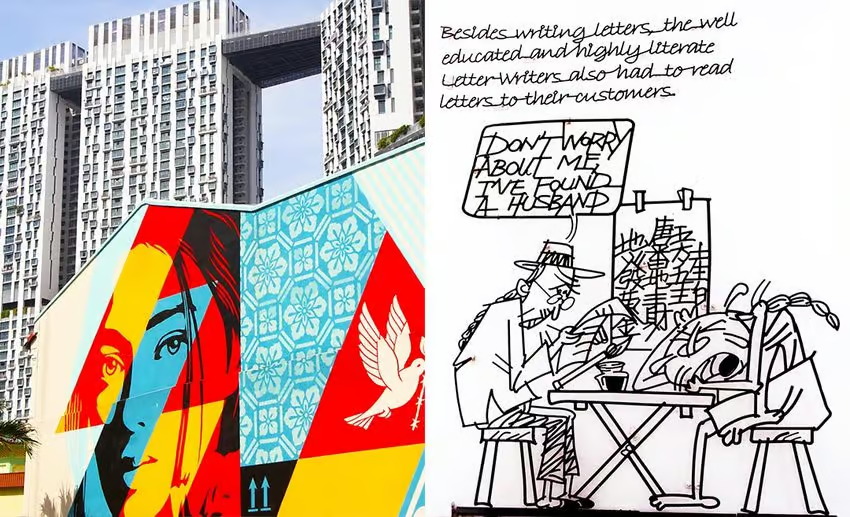
Some of the artwork interprets the area’s history through humour, offering a lighter way to engage with its past. Together with the conserved shophouses and independent businesses, these creative touches give Duxton Hill a distinctive character.
Zafigo Travel Tips: Exploring Duxton Hill
Getting there and around
For Malaysians, Singapore is easily accessible by air, coach, or train via Johor Bahru, with several MRT stations providing convenient access to Duxton Hill.
Duxton Hill is best explored on foot. The neighbourhood’s streets are compact, although some sections are sloped:
- Tanjong Pagar MRT Station (East-West Line) and Maxwell MRT Station (Thomson-East Coast Line) are convenient stations for accessing the area.
- Outram Park MRT Station is another option, approximately 800 metres from Mondrian Singapore Duxton.
- Allow a few hours to explore the shophouses, independent bookshops, cafés, and nearby cultural attractions.
- Wear comfortable walking shoes, particularly if you plan to extend your walk into Chinatown and Tanjong Pagar.
Tips for women travellers
- Independent bookshops and cafes make pleasant daytime stops if you are exploring alone. They are also good places to take a break between sightseeing.
- Maxwell Food Centre is a convenient option for solo dining, with plenty of stalls and individual meal choices.
- If planning an evening of dining or drinks, check the venue’s opening hours and arrange your return transport in advance. Singapore has extensive public transport and ride-hailing options, but late-night MRT services do not run throughout the night.
- Keep an eye on your belongings in crowded hawker centres and busy nightlife areas, as you would in any major city.
Where to stay
There are several accommodation options around Duxton Hill and the neighbouring Tanjong Pagar and Chinatown districts, catering to different budgets:
- Budget: ST Signature Tanjong Pagar is a co-living hotel housed in a conserved shophouse on Tras Street. It offers compact private cabins, with a choice of shared or private bathrooms, as well as communal facilities.
- Mid-range: Dorsett Singapore is a contemporary four-star hotel with a swimming pool and fitness centre, conveniently located above Outram Park MRT Station.
- Higher-end: Mondrian Singapore Duxton sits within the Duxton Hill precinct. Its contemporary design, rooftop infinity pool, and selection of restaurants and bars make it a comfortable base for exploring the neighbourhood.
A further read
For readers interested in Singapore’s history and heritage neighbourhoods, David Bowden’s Enchanting Singapore (johnbeaufoy.com) includes further documentation of Duxton Hill and Tanjong Pagar.